Understanding Commercial Carpet Installation
Commercial carpet installation is a critical aspect of establishing a functional and aesthetically pleasing environment for any business. Whether you are outfitting an office, retail space, or hospitality setting, the right carpet can enhance not only the look but also the durability and comfort of your space. With numerous options to choose from, understanding the installation process, types of carpets available, and their specific uses is essential for making informed decisions. When exploring options, commercial carpet installation can provide comprehensive insights into finding the right fit for your business.
What is Commercial Carpet Installation?
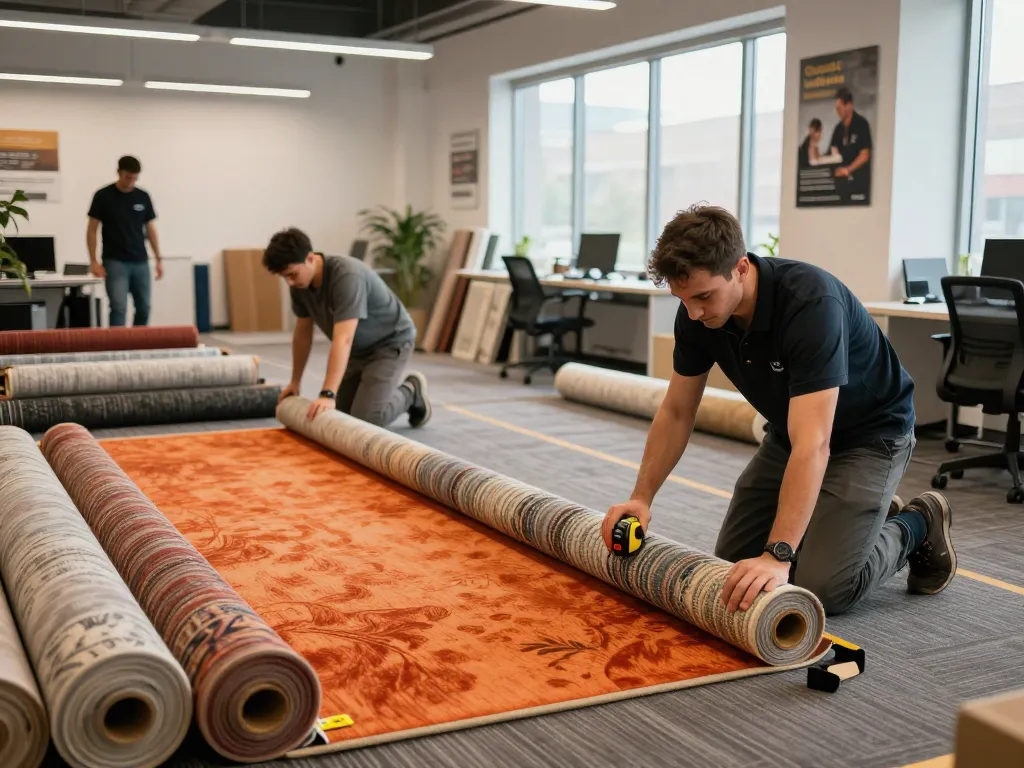
Commercial carpet installation involves the strategic laying of carpet in commercial spaces, which often differ significantly from residential installations in terms of materials, durability, and the installation process. The primary goal is to ensure that the carpet meets the demands of high foot traffic while maintaining its aesthetic appeal. This process typically includes the preparation of the subfloor, measuring and cutting the carpet, and securing it in place to ensure longevity and stability.
Types of Commercial Carpets and Their Uses
There are several types of carpets specifically designed for commercial applications, each suited for different purposes:
- Broadloom Carpet: This traditional style is ideal for large areas and offers seamless installation. It is available in numerous styles and colors, making it versatile for various environments.
- Carpet Tiles: These modular tiles allow for easy replacement and maintenance, making them a popular choice in offices and retail spaces. They come in different textures and patterns, offering design flexibility.
- Berber Carpet: Known for its looped texture, Berber is durable and resistant to stains, making it suitable for high-traffic areas.
- Cut Pile Carpet: This type provides a plush feel and is often used in executive offices or waiting areas where comfort is a priority.
Choosing the Right Commercial Carpet
Factors to Consider When Selecting Carpet
When selecting carpet for commercial spaces, several factors should influence your decision:
- Foot Traffic: Consider the amount of foot traffic the space will experience. High-traffic areas require more durable carpeting.
- Aesthetic Appeal: The design and color of the carpet should align with your brand identity and the ambiance you wish to create.
- Budget: Carpet costs can vary widely. Ensure your choice aligns with your financial constraints while balancing quality and durability.
- Maintenance Needs: Different carpets require varying levels of care. Select an option that fits your maintenance capabilities.
Durability and Maintenance in High-Traffic Areas
Durability is paramount in commercial settings, especially where foot traffic is high. Opting for carpets made from robust materials such as nylon or polyester can ensure that carpets withstand wear and tear. Additionally, carpets designed for commercial use often feature stain-resistant treatments that can simplify cleaning and maintenance.
Eco-Friendly Carpet Options for Your Business
Increasingly, businesses are considering eco-friendly carpet options. These carpets are made from sustainable materials such as recycled plastic bottles or natural fibers like wool. Choosing eco-friendly carpets not only supports sustainability but can also enhance the indoor air quality of your space.
Best Practices for Commercial Carpet Installation
Preparation Steps Before Installation
Proper preparation is crucial for a successful carpet installation. Start by ensuring that the subfloor is clean, dry, and level. Any imperfections can cause the carpet to wear unevenly or result in installation problems. Moreover, it’s advisable to allow the carpet to acclimate to the room’s temperature and humidity before installation, ensuring better adhesion and fit.
Tools and Equipment Needed for Installation
Having the right tools at your disposal can greatly facilitate the installation process. Essential tools include:
- Carpet knife
- Trowel for adhesive application
- Measuring tape
- Seaming iron
- Carpet stretcher
- Stapler or tack strips
Common Installation Techniques Explained
Some common carpet installation techniques include:
- Glue-Down Installation: This method involves affixing the carpet directly to the subfloor with adhesive, ideal for spaces with heavy traffic.
- Stretch-in Installation: This technique uses tack strips around the perimeter of the room to hold the carpet in place, allowing for easier replacement.
- Tile Installation: Carpet tiles are laid down without glue, allowing for easy removal and replacement as needed.
Cost Considerations for Commercial Carpet Installation
Average Pricing for Installation Services
The cost of commercial carpet installation can vary significantly based on several factors, including the type of carpet, the size of the area, and labor costs. On average, installation prices can range from $2.50 to $7.50 per square foot. Understanding the specifics of your project can help in budgeting effectively.
Budgeting for Different Carpet Types
Different carpet types come with varying price points. For example, broadloom may be more cost-effective for large spaces, while high-quality carpet tiles could come at a premium but offer flexibility and ease of maintenance in the long run. Always consider the lifecycle cost of the carpet, including maintenance and replacement costs.
Cost-Effective Solutions for Large Spaces
For large commercial spaces, purchasing carpet in bulk can lead to significant savings. Moreover, utilizing carpet tiles allows businesses to only replace sections when necessary, reducing long-term costs. Strategic planning and negotiation with suppliers can further enhance cost efficiency.
Future Trends in Commercial Carpet Installation
Innovative Carpet Technologies for 2026
The carpet industry is evolving with technology. Innovations such as smart carpets that can monitor foot traffic and detect wear patterns are emerging. These technologies can provide valuable data that help in the maintenance and replacement of carpets, ultimately extending their lifespan.
Sustainability Trends Impacting Carpet Choices
As environmental concerns continue to grow, the demand for sustainable and recyclable carpet materials is rising. Businesses are increasingly opting for carpets produced with minimal environmental impact, and manufacturers are responding with eco-friendly options that do not compromise quality.
Emerging Design Trends in Commercial Spaces
In 2026, we can expect to see a rise in bold colors, patterns, and textures in commercial carpet designs. Creating unique spaces that reflect brand identity while being functional will drive the design approach in commercial interiors.
How much does commercial carpet cost installed?
On average, costs for commercial carpet installation can range from $2.50 to $7.50 per square foot, depending on material, labor, and size of the area.
What factors impact commercial carpet installation pricing?
Key factors include the type of carpet, the size of the installation area, local labor rates, and any additional services such as removal of old carpet or subfloor preparation.
How can I ensure a successful carpet installation?
Planning ahead, choosing the right materials, hiring experienced installers, and following all preparation steps can ensure a successful installation.
What are the most common mistakes in commercial carpet installation?
Common mistakes include inadequate subfloor preparation, incorrect measurements, and not allowing carpet to acclimate to room conditions.
When should I replace my commercial carpet?
Signs that it may be time to replace your carpet include visible wear and tear, persistent odors, and difficulties in cleaning, indicating that the carpet has surpassed its lifespan.