
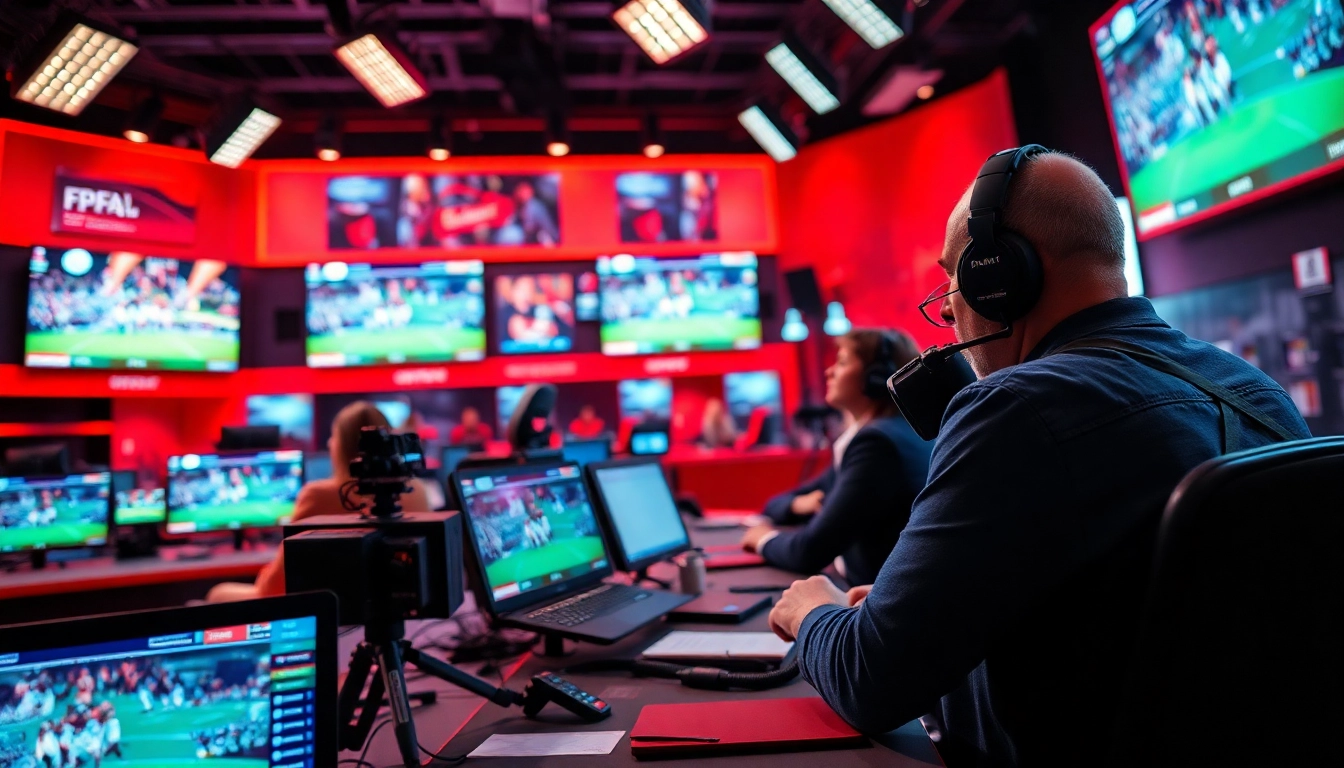
Understanding Sports Broadcasting Fundamentals
Defining Sports Broadcasting
At its core, Sports Broadcasting encompasses the transmission of live or recorded sports events to audiences via various platforms, such as television, radio, and increasingly, online streaming services. This dynamic field not only entertains but also informs fans about their favorite teams, athletes, and events, deeply embedding itself within the fabric of modern sports culture. In essence, sports broadcasting serves as a bridge connecting fans worldwide to the excitement and drama of sporting events, making it a vital aspect of the industry.
Key Components of Sports Broadcasting
The landscape of sports broadcasting is shaped by several key components that determine how events are presented and consumed:
- Content Creation: This involves the preparation and execution of the broadcast, including commentary, analysis, and the crafting of engaging narratives surrounding the event.
- Distribution Channels: Traditional television networks, cable channels, and digital platforms serve as conduits for delivering content to audiences. Each channel has its unique reach and consumer base.
- Audience Engagement: Capturing and retaining viewer interest is crucial. This includes interactive elements like social media integration, viewer polls, and live chats during broadcasts.
- Technological Infrastructure: High-quality broadcasting relies on advancements in technology, including high-definition cameras, satellite transmission, and streaming capabilities.
The Role of Technology in Sports Broadcasting
Technology has revolutionized the way sports are broadcasted. From the inception of black-and-white TV broadcasts to today’s ultra-high-definition (UHD) streams, technological advancements continually enhance viewer experience. Key technological innovations include:
- High-Definition and 4K Broadcasting: Offering enhanced visual details, these formats provide a more immersive viewer experience, allowing fans to feel as if they’re at the event.
- Virtual Reality (VR) and Augmented Reality (AR): These technologies create interactive experiences, letting viewers visualize data like player stats overlaid on live footage.
- Mobile Streaming: Apps and platforms that allow fans to watch games on-the-go cater to audiences’ changing habits, ensuring they remain engaged beyond traditional viewing environments.
Types of Sports Broadcasting
Live Sports Broadcasting
Live sports broadcasting is the real-time airing of events, which captures the excitement and unpredictability of the moment. This format appeals to fans eager to experience the action as it unfolds. Key elements to consider in live sports broadcasting include:
- Real-time Drama: The immediacy of live action creates a heightened emotional response from viewers.
- Commentary and Analysis: Expert commentary provides context to the action, enhancing viewers’ understanding and enjoyment.
- Event-Specific Features: Engaging segments like player interviews, fan reactions, and highlights bolster the live viewing experience.
Recorded Sports Broadcasting
Recorded sports broadcasting allows audiences to digest events at their convenience. This format targets those who may have missed live broadcasts or wish to revisit their favorite moments. Considerations for recorded broadcasts include:
- Highlight Reels: Edited compilations of key moments provide an accessible way to engage with events.
- In-Depth Analysis: Recorded programming can include thorough examinations of plays and player performances.
- On-Demand Viewing: Streaming services often feature recorded content, catering to diverse viewing schedules.
Streaming vs. Traditional Broadcasting
The debate between streaming and traditional broadcasting has gained momentum, largely due to shifting viewer preferences. Streaming offers several advantages over traditional methods:
- Accessibility: Watch from various devices, whether at home or on-the-go.
- Flexibility: Viewers can select content that suits their individual interests.
- Interactive Features: Live chats and integrated polling enhance the viewing experience.
While traditional broadcasting boasts established infrastructure and broad audience reach, the flexibility and personalization of streaming services increasingly captivate modern viewers.
Strategies for Effective Sports Broadcasting
Engaging Your Audience
To cultivate a dedicated viewer base, broadcasters must adopt strategies that foster engagement. Key tactics include:
- Interactive Content: Incorporate polls, quizzes, and social media prompts to encourage viewer participation.
- Behind-the-Scenes Access: Offering exclusive glimpses of athletes and teams builds a stronger connection with the audience.
- Community Building: Create forums or fan clubs that facilitate communication among fans, enriching the overall experience.
Utilizing Social Media for Broader Reach
Social media platforms serve as powerful tools for enhancing visibility and engaging with audiences. Strategies to leverage these channels effectively include:
- Live Updates: Provide real-time information, scores, and highlights to keep fans informed and engaged.
- User-Generated Content: Encourage fans to share experiences, whether through photos, videos, or personal stories, amplifying the reach of broadcasts.
- Collaborative Campaigns: Partner with influencers and athletes to enhance brand recognition and credibility.
Monetization Strategies for Sports Broadcasting
Understanding how to effectively monetize sports broadcasting is critical for sustainability in the industry. Key strategies include:
- Sponsorship and Advertising: Secure partnerships with brands for product placements and ad slots during broadcasts.
- Subscription Models: Offer tiered subscription services that provide exclusive content and benefits to subscribers.
- Pay-Per-View: Implement models for high-demand events, allowing fans to pay for access to specific broadcasts.
Challenges in Sports Broadcasting
Navigating Licensing and Rights Issues
One of the significant challenges in Sports Broadcasting involves securing the rights to broadcast events. Rights management can encompass:
- Complicated Negotiations: Navigating deals requires an understanding of various contracts and stakeholder expectations.
- Geographic Restrictions: Licensing often restricts broadcasts to certain regions, limiting potential viewership.
- Intellectual Property Rights: Ensuring compliance with copyright laws can be complex and varies by jurisdiction.
Maintaining Quality and Reliability
Delivering high-quality broadcasts consistently can pose challenges, especially when relying on new technologies. Key factors include:
- Technical Issues: Network outages and equipment failures can disrupt broadcasts.
- Producer Expertise: Skilled producers are essential for seamless transitions and engaging telecasts.
- Regulatory Compliance: Adhering to broadcasting standards and regulations ensures uninterrupted service delivery.
Adapting to Changing Technologies
As technology evolves, so too must sports broadcasting. Innovations such as 5G, the Internet of Things (IoT), and AI are reshaping content delivery and viewer interaction. Challenges include:
- Keeping Up with Trends: Staying informed about new platforms and technologies to meet audience expectations.
- Investment Costs: Allocating budget for new systems and training staff to utilize these technologies.
- Balancing Tradition and Innovation: While adapting to new technologies, maintaining traditional values of broadcasting is essential to retain the legacy of the sport.
Future Trends in Sports Broadcasting
Innovations in Broadcasting Technology
The future of sports broadcasting is likely to witness rapid innovation, propelling the industry forward. Emerging technologies include:
- Artificial Intelligence: AI can enable smarter analysis, enhancing viewer engagement through personalized content delivery.
- Blockchain Technology: This technology may revolutionize rights management, creating secure and transparent systems for licensing.
- Enhanced Streaming Experiences: Innovations in streaming technology are likely to provide more seamless and interactive viewing experiences.
Virtual and Augmented Reality in Sports Broadcasting
Virtual reality (VR) and augmented reality (AR) are anticipated to play significant roles in the evolution of sports broadcasting. Expected benefits include:
- Immersive Viewing Experiences: Allowing viewers to explore venues and interact during live events.
- Enhanced Data Visualizations: AR can provide real-time statistics and analysis, enriching the viewing experience.
- Remote Access to Live Events: VR enables fans to experience events virtually, removing geographic barriers.
Impact of Global Events on Sports Broadcasting
Global events, such as pandemics and geopolitical changes, significantly impact how sports are broadcast. Future challenges and opportunities may arise, including:
- Adapting Broadcast Strategies: Flexibility in programming to cater to changing audience needs during crises.
- Emphasizing Health and Safety: Certain protocols may define how events are organized and broadcasted in the future.
- Global Connectivity: Enhanced online broadcasting platforms can bring audiences together, promoting a shared viewing experience across regions.
Frequently Asked Questions
What is sports broadcasting?
Sports broadcasting refers to the delivery of live or recorded sports events through various formats, including television, radio, and online streaming services. It keeps fans informed and engaged with their favorite sports.
How can I engage my audience in sports broadcasting?
Engagement can be increased through interactive content, viewer polls, social media integration, and by providing exclusive highlights and behind-the-scenes access, creating a deeper connection with the audience.
What are the main types of sports broadcasting?
The main types include live sports broadcasting, recorded events, and various platforms like traditional TV and streaming services, each offering unique advantages and viewer experiences.
What challenges do sports broadcasters face?
Some key challenges include navigating licensing rights, maintaining broadcast quality, and adapting to rapidly evolving technologies to offer the best viewer experience.
What future trends should we expect in sports broadcasting?
Expect innovations like enhanced streaming technology, the use of virtual and augmented reality, and changes driven by global events that reshape viewer interaction and broadcasting methods.