Understanding Ceramic Window Tint
What is Ceramic Window Tint?
Ceramic window tint is a sophisticated film applied to vehicle windows designed to enhance comfort and protection. Unlike traditional tints, which may rely on dye or metal layers, ceramic window tint consists of a non-metallic, ceramic-based composition. This technology is engineered to offer superior heat and UV protection while ensuring clarity and visibility. Many car enthusiasts opt for ceramic window tint due to its high-performance capabilities and aesthetic appeal. When considering upgrading your vehicle, ceramic window tint should be a top choice for modern automotive window films.
How Does It Work?
The functionality of ceramic window tint is rooted in its construction. The ceramic particles embedded within the film block infrared radiation’s passage while allowing visible light to pass through. This unique property ensures that while your vehicle remains well-lit and safe, it does not overheat, thus improving comfort levels during warm days. The advanced technology involved in ceramic window films also allows them to inhibit harmful UV rays effectively, reducing the risk of skin damage. The performance capabilities of ceramic window tint make it a long-lasting solution that doesn’t degrade or discolor over time.
Key Features of Ceramic Window Tint
Ceramic window tint offers a variety of distinctive features that set it apart from conventional window tints. The primary ones include:
- Heat Rejection: Highly effective at blocking infrared radiation, keeping your vehicle cooler.
- UV Protection: Blocks up to 99% of harmful UV rays, protecting both driver and passengers.
- Clarity: Maintains high visibility without distortion, ensuring a clear view of the road.
- Durability: Resistant to fading and discoloration, providing long-term performance.
- Non-Metallic: Does not interfere with GPS or cellular signals, unlike metalized films.
Benefits of Ceramic Window Tint for Your Vehicle
Heat Rejection and Comfort
One of the most compelling advantages of ceramic window tint is its unparalleled ability to reject heat. By blocking a significant percentage of solar heat, it keeps the interior of your car cooler, even during peak sunlight hours. This feature not only enhances comfort during hot summer days but also reduces the strain on your vehicle’s air conditioning system, potentially lowering fuel consumption and energy costs. Studies indicate that vehicles equipped with high-quality ceramic window tint can experience a decrease in interior temperature of up to 30°F in direct sunlight.
UV Protection for Skin and Interiors
In addition to heat rejection, ceramic window tint provides exceptional UV protection. The intense exposure to UV radiation can cause skin harm and even contribute to long-term health issues such as skin cancer. By blocking up to 99% of these harmful rays, ceramic window tint serves as a protective barrier for everyone inside the vehicle. Furthermore, it also helps in preserving the vehicle’s interior. By minimizing UV exposure, the risk of fading, cracking, and deteriorating upholstery is significantly reduced, thus prolonging the lifespan of your car’s interior materials.
Enhanced Privacy and Security
Another notable benefit of ceramic window tint is the enhancement of privacy and security. Darker tints not only shield your personal space from prying eyes but also deter potential thieves by making it more difficult to see into your vehicle. This added layer of security is essential for those who store valuables inside. Moreover, ceramic films provide a shatter-resistant quality to windows, which can prevent or impede a break-in, adding an important safety feature for car owners.
Choosing the Right Ceramic Window Tint
Factors to Consider
Selecting the appropriate ceramic window tint involves several factors. First, consider the level of heat reduction you desire; films are often rated by their capacity to block infrared light. Next, determine your privacy needs and the legal limits in your region regarding window tint darkness. Additionally, examine your aesthetic preferences, ensuring the tint matches your vehicle’s style. Finally, consider installation expertise; some tints are easier to apply than others.
Types of Ceramic Films Available
Ceramic window tints come in a variety of styles and performance levels. Some fall into the following categories:
- Standard Ceramic Film: Offers basic heat and UV protection while maintaining visibility.
- High-Performance Ceramic Film: Provides superior thermal rejection and advanced UV blocking capabilities, suitable for those prioritizing performance.
- Dual-Reflective Ceramic Film: Balances heat and glare reduction with an aesthetically pleasing finish, often with less reflective glare from the inside and outside.
Comparing Prices and Brands
When exploring options for ceramic window tint, pricing can vary significantly depending on the brand, quality, and features. It’s essential to compare not just the cost, but also the warranty and customer reviews associated with different brands. Hiring professional installers can also add to the overall expense but often results in better results and longevity of the film. Remember, investing in high-quality ceramic window tint can save you money in the long run through increased comfort and protection for your vehicle.
Application of Ceramic Window Tint
Pre-Installation Preparation
Preparing for the installation of ceramic window tint is crucial for achieving a flawless finish. Start by cleaning the car windows thoroughly, removing any dirt, dust, or debris that could affect adhesion. Ensure that the work area is free from contaminants, as even a small piece of lint can cause imperfections in the tint application. Gathering all necessary tools, including squeegees, cutting tools, and spray solutions, will streamline the process.
Step-by-Step Installation Guide
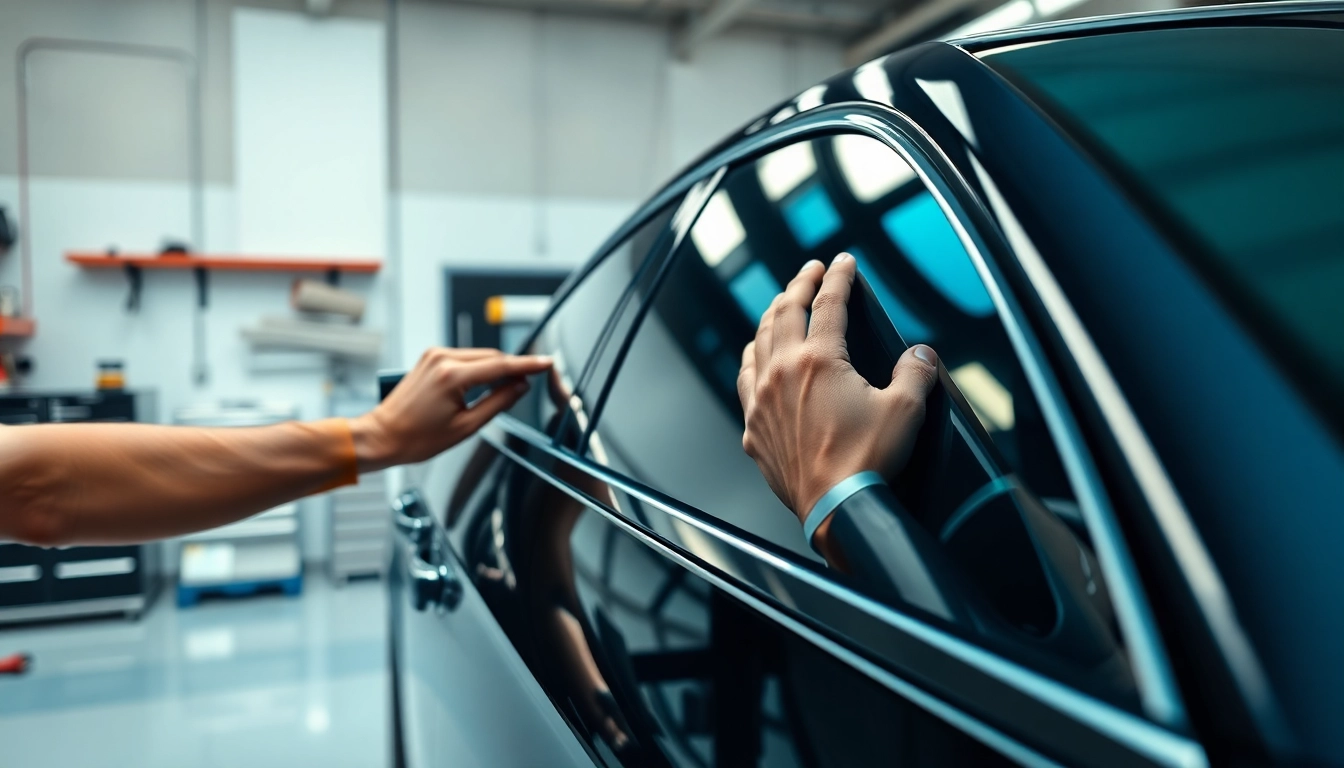
Installing ceramic window tint typically involves the following steps:
- Cut the tint film according to the dimensions of the window, adding an extra margin for adjustment.
- Use soapy water to spray the window, ensuring a wet surface for the film to adhere easily.
- Carefully apply the film to the window, starting from the top and working your way down, smoothing out air bubbles as you go.
- Utilize a squeegee to push out water from beneath the film, ensuring it adheres smoothly to the glass.
- Trim any excess film from the edges for a perfect fit.
Post-Installation Maintenance Tips
After installation, maintaining your ceramic window tint is key to ensuring its longevity. Avoid rolling down windows for at least 48 hours to allow the film to fully adhere. Clean the windows with a soft cloth and a gentle cleaning solution, avoiding ammonia-based products that could damage the tint. Regular inspections for scratches or defects can keep your tint looking fresh and clear.
Frequently Asked Questions about Ceramic Window Tint
What makes ceramic window tint different from other types?
Ceramic window tint uses non-metallic ceramic particles, ensuring superior heat rejection and UV protection without affecting visibility. Unlike dyed or metallic films, it also avoids interference with electronic signals.
Can ceramic window tint cause issues with visibility?
No, ceramic window tint is designed to enhance clarity and visibility, even in low light conditions. Its superior composition helps maintain a clear view while blocking unwanted heat and UV rays.
How long does ceramic window tint last?
With proper care, ceramic window tint can last anywhere from 10 to 20 years. Factors such as maintenance and climate conditions can affect longevity, but high-quality installations typically yield lasting results.
Is professional installation necessary for ceramic window tint?
While DIY installation is possible, professional installation is recommended. Professionals possess the necessary tools and expertise to ensure a smooth and blemish-free application, maximizing performance and appearance.
Are there legal restrictions on window tint levels?
Yes, many regions impose legal limits on window tint darkness and reflection. It’s essential to familiarize yourself with local laws to avoid fines and ensure compliance while optimizing your tint for comfort.