
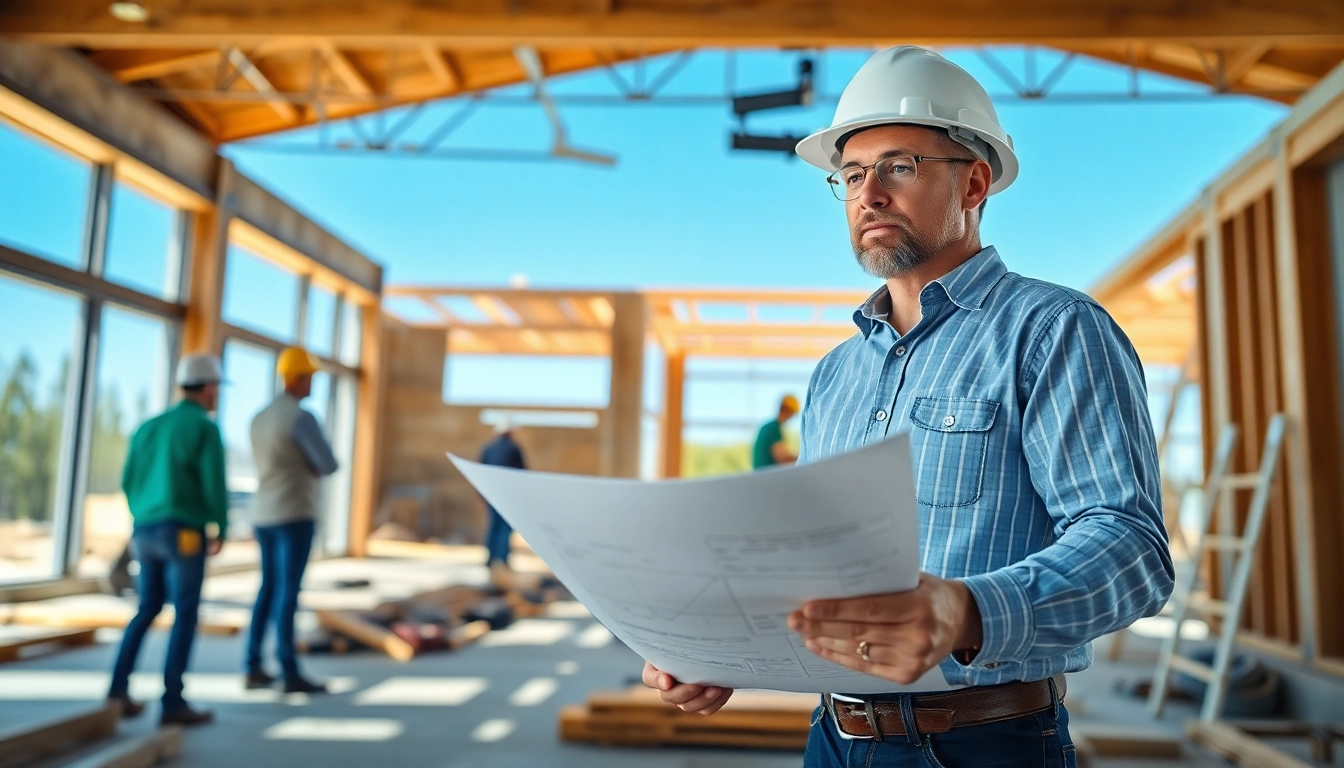
Understanding the Role of a New Jersey General Contractor
In the intricate world of construction, the role of a New Jersey General Contractor is pivotal. From managing project timelines to overseeing subcontractors and ensuring compliance with local regulations, a general contractor acts as a linchpin in every construction project, large or small.
What Does a General Contractor Do?
A general contractor is responsible for the overall coordination of a construction project. Their duties often include:
- Hiring subcontractors: Selecting and managing specialists such as electricians, plumbers, and carpenters based on project needs.
- Budget management: Ensuring the project stays within budget while securing bids from various vendors.
- Scheduling: Creating a timeline for the completion of the project, keeping all parties informed about progress.
- Compliance: Navigating local building codes and ensuring that all work meets zoning and safety regulations.
- Communication: Serving as the primary point of contact between clients, subcontractors, and suppliers.
Importance of Hiring a General Contractor
The complexities of construction projects necessitate the expertise of a general contractor. Their presence not only simplifies processes but also ensures quality assurance. An experienced general contractor brings invaluable knowledge about materials, pricing, and current regulations, ultimately saving clients from potential pitfalls and costly mistakes.
Key Responsibilities of a New Jersey General Contractor
Specifically in New Jersey, general contractors carry unique responsibilities that may differ slightly from those in other states due to local codes and demands. Key responsibilities include:
- Secure Permits: Obtaining necessary permits for construction work to adhere to state and municipal regulations.
- Site Supervision: Daily oversight of construction sites to ensure work aligns with project plans and safety standards.
- Quality Control: Implementing standards for subcontractors and other laborers to maintain high-quality work.
- Problem Resolution: Addressing issues that may arise on-site, whether those are logistical challenges or disputes among workers.
How to Evaluate Potential New Jersey General Contractors
When searching for the right general contractor, particularly in New Jersey, it’s crucial to assess various factors that reflect their ability and reliability.
Qualities to Look For in a Contractor
Identifying the right qualities in a general contractor is essential. Key attributes include:
- Experience: Proven track record in handling projects similar to yours.
- Licensing: Valid licensure to operate legally within New Jersey and insurance that safeguards against accidents and liabilities.
- Reputation: Positive reviews and testimonials from previous clients demonstrate reliability and quality of work.
- Communication Skills: Ability to convey information clearly and respond promptly to inquiries is crucial for successful project management.
Checking Credentials and Certifications
When hiring a general contractor in New Jersey, verifying credentials is vital. Look for licenses issued by the New Jersey Division of Consumer Affairs, along with certifications indicating specialized training or membership in professional organizations. Ensuring compliance with local regulations gives peace of mind in project execution.
Reviewing Previous Projects and References
Take time to review a contractor’s portfolio of previous work. Request references and contact them to gain insight into the contractor’s reliability, work ethic, and final results. It’s beneficial to view projects similar in scope to your own, allowing you to assess their expertise in handling your specific needs.
Cost Factors When Hiring a New Jersey General Contractor
Understanding the financial aspects of hiring a general contractor is crucial for budgeting and cost management.
Understanding Estimates and Bids
When requesting bids, it’s essential to evaluate the estimates thoroughly. A well-detailed estimate will include:
- Labor Costs: Breakdown of work hours and rates for skilled trades.
- Material Costs: Itemized list of materials needed for the project, including their quality and pricing.
- Time Frames: estimated completion time that helps in planning and scheduling.
Comparing Costs: What Affects Pricing?
Costs can vary due to several factors, including:
- Project Complexity: More intricate projects generally incur higher costs due to increased labor and specialized materials.
- Location: New Jersey’s unique zoning laws and regulations can affect material availability and labor rates.
- Market Conditions: Fluctuating prices of materials and demand for labor during peak construction seasons can influence overall costs.
Budgeting for Contingencies and Overruns
It’s wise to allocate an additional 10-20% of your total budget for unforeseen expenses. This buffer can account for design changes, unexpected repairs, or delays due to weather conditions. Proper budgeting ensures that you can manage financial surprises without jeopardizing the project.
Contract Management with Your New Jersey General Contractor
A well-structured contract is integral to any construction project. It outlines the terms of the partnership and serves as a reference point throughout the project.
Key Elements of a Solid Contract
Ensure your contract includes the following elements:
- Scope of Work: A clear description of tasks and deliverables expected from the contractor.
- Payment Terms: Define payment schedules, milestones, and the total project cost agreed upon.
- Timeline: Detailed schedule for the project completion phases, including deadlines for specific tasks.
- Change Order Procedures: Guidelines on how to handle changes in the project scope or unforeseen conditions.
- Dispute Resolution: A clear outline of processes for resolving conflicts that may arise during the project.
Negotiating Terms and Conditions
Engage in thorough discussions while negotiating terms with your general contractor. Pay close attention to payment schedules, ensuring they align with your financial capabilities. Be open to adjustments, and don’t hesitate to ask for clarifications on complex terms.
Managing Changes and Disputes
Throughout the project, circumstances may change requiring adjustments to the scope or timeline. Establish a clear channel of communication with your general contractor to manage these changes collaboratively. Should disputes arise, remember that having a defined dispute resolution process in place can expedite resolutions efficiently.
FAQs: Hiring a New Jersey General Contractor
Why Should I Hire a General Contractor?
A general contractor ensures project efficiency, quality control, and adherence to timelines and budget, simplifying the construction process significantly.
What Should I Ask Before Hiring?
Inquire about their experience, previous projects, licensing, insurance, and references. Understanding their communication style and approach is equally important.
How Do I Know If I’m Getting a Fair Price?
Collect multiple estimates, and ensure they include detailed breakdowns. Assess what each contractor offers for that price to determine fairness.
What Is the Typical Timeline for a Project?
Timelines vary based on project scope, materials used, and weather. Discuss expected completion dates during initial meetings for accurate planning.
Can I Trust Reviews and References?
While reviews can provide insights, seek detailed references and reach out to past clients for comprehensive feedback on their experiences.