Understanding the Basics: Silhouette vs Cricut
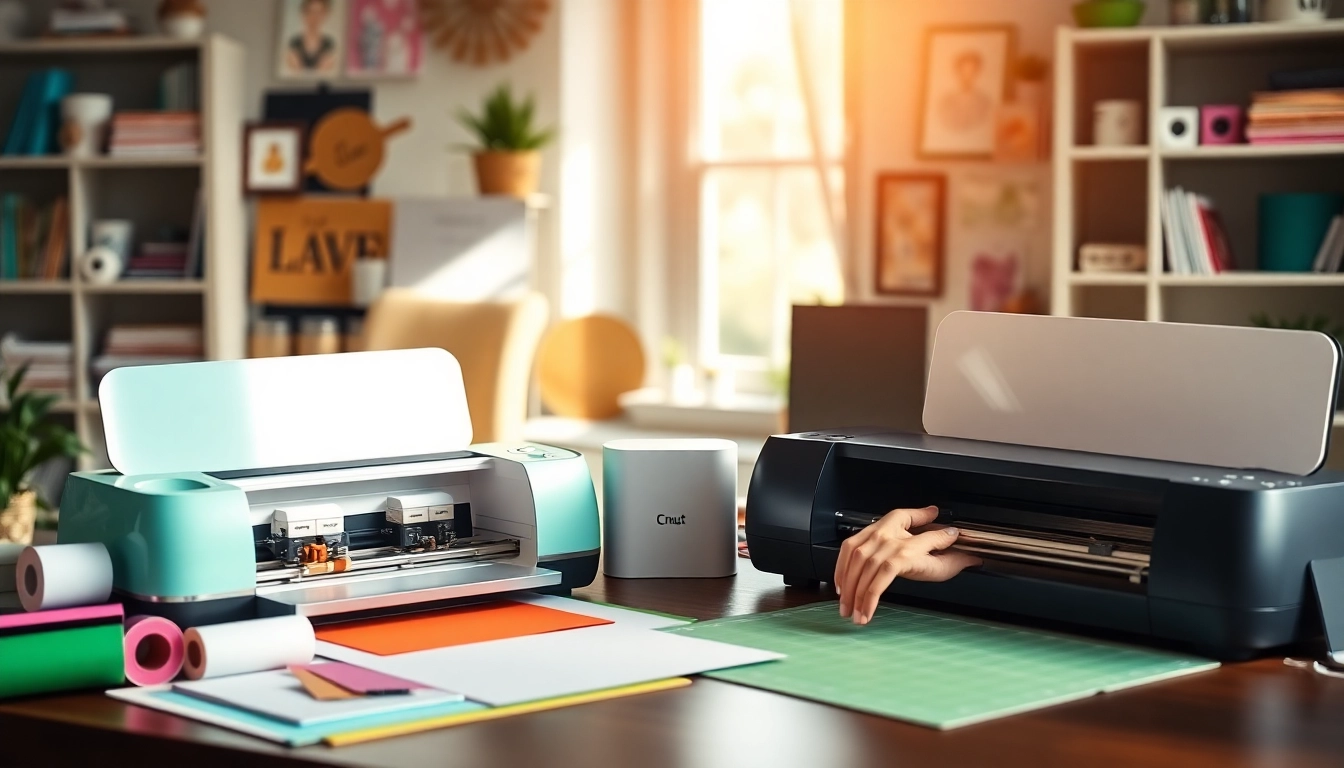
In the world of crafting, choosing the right cutting machine can make a significant difference in your projects. Two of the most popular brands are Cricut and Silhouette, each with its own unique features and benefits. Whether you’re a seasoned crafter or just starting out, understanding the differences between these machines can help you make an informed decision tailored to your crafting needs. When exploring options, silhouette vs cricut provides comprehensive insights into these two leading brands.
1. Overview of Cricut Machines
Cricut machines are known for their user-friendly interfaces and versatility, making them popular among hobbyists and professional crafters alike. The most well-known model, the Cricut Maker, offers advanced cutting capabilities that can handle a diverse range of materials, from paper to fabric to leather. The Cricut Explore series also offers a range of features, focusing on elements like design ease and compatibility with various materials. Users appreciate Cricut’s innovative design software, Cricut Design Space, which provides a broad library of projects, patterns, and tutorials to facilitate creative exploration.
2. Overview of Silhouette Machines
Silhouette machines, particularly the Cameo line, are also notable contenders in the cutting machine market. These devices are often favored by more experienced users due to their advanced software and capabilities. Silhouette Studio, the accompanying design software, offers a higher degree of customization compared to Cricut’s software, making it a preferred choice for users looking to create intricate designs. The Silhouette Cameo 4, for instance, can cut through thick materials and offers tools for specific tasks like engraving and embossing, giving it a competitive edge in versatility.
3. Key Features Comparison: Cricut and Silhouette
- Cutting Technology: Cricut machines often utilize a rotary blade for fabric and an array of tools for different materials, while Silhouette offers more specialized blades for intricate cutting.
- Software: Cricut Design Space is intuitive and beginner-friendly, whereas Silhouette Studio offers more advanced features that cater to professional crafters.
- Material Handling: Silhouette machines can often handle thicker materials, thanks to their powerful cutting capabilities.
Performance Metrics: Evaluating Cutting Capabilities
1. Cutting Precision and Quality
When talking about precision, both Cricut and Silhouette have their strengths. Cricut machines are designed to offer clean, precise cuts for a variety of materials, making them excellent for detailed projects. Silhouette, however, shines in intricate designs, often outperforming Cricut in terms of detail and customization capabilities. The choice between the two often comes down to whether you prioritize ease of use or detailed design control.
2. Material Compatibility: Which Cuts Better?
Material compatibility can significantly impact a crafter’s experience. Cricut machines are widely known for their ability to cut through over 100 different materials, including paper, vinyl, iron-on, and even wood. On the flip side, Silhouette machines also support a broad range of materials, with the advantage of handling thicker items and special materials such as fabric and leather, making them suitable for a variety of crafting projects.
3. Speed and Efficiency in Crafting
Speed and efficiency are crucial for crafters who work on multiple items or larger projects. Cricut machines typically boast faster cutting speeds compared to Silhouette, making them ideal for bulk projects. However, Silhouette machines offer customizable cut settings, allowing users to adjust the speed based on the complexity of the project, which can help ensure high-quality finishes.
User Experience: Software and Design Tools
1. Software Analysis: Cricut Design Space vs Silhouette Studio
The software that accompanies each machine plays a significant role in the overall user experience. Cricut Design Space is designed to be user-friendly, with a simple interface that allows beginners to easily navigate through its numerous features. Conversely, Silhouette Studio provides robust tools for more complex projects, such as advanced editing capabilities and customizable options, though it may have a steeper learning curve for new users.
2. Ease of Use: Beginner-Friendly Interfaces
For beginners, Cricut’s intuitive interface often makes it the favored choice. Users can easily create projects with minimal instructions. Silhouette, while offering more in-depth features, may take more time for new users to master, which could be daunting for those just starting to explore the world of crafting.
3. Advanced Features for Experienced Users
Experienced users looking to push their creative boundaries may find that Silhouette’s advanced design software provides more flexibility than Cricut. Features such as offline design capabilities and the ability to manipulate designs in greater detail cater to those who want a more personalized crafting experience.
Cost and Value: Budgeting for Your Crafting Journey
1. Initial Purchase Costs: Cricut vs Silhouette
The initial investment can be a deciding factor for many crafters. Cricut machines, such as the Maker, often come with a higher price tag, starting around $399, whereas the Silhouette Cameo 4 starts at a lower price point, typically around $299. However, pricing can vary based on sales and bundles, making it important to compare models when budgeting for your new crafting tool.
2. Ongoing Expenses: Accessories and Materials
Beyond the initial purchase, ongoing costs can add up. Cricut users may find that accessories, such as tools and mats, are generally more affordable and readily available. Silhouette accessories may be slightly pricier but often offer specialized options for advanced crafting needs. Understanding these costs can help in planning a budget that accommodates not only the machine but also the tools and materials needed for successful projects.
3. Long-Term Value and Investment
When considering long-term value, it’s important to assess the durability and longevity of the machines. Cricut machines are generally praised for their reliability and ease of use over time, while Silhouette machines may require more maintenance, depending on the frequency and type of use. Evaluating how you intend to use your machine will help determine which brand provides the best investment for your crafting journey.
Future Trends in Crafting Technology (2026 and Beyond)
1. Emerging Crafting Technologies
As we move into 2026, the crafting industry continues to evolve with new technologies on the horizon. Innovations such as smart cutting machines equipped with AI capabilities could revolutionize how we approach design and crafting, providing more personalized experiences and automating many tedious processes.
2. Sustainability in Crafting Practices
With an increasing focus on sustainability, both Cricut and Silhouette are likely to enhance their offerings with eco-friendly materials and practices. This trend will cater to a growing demographic of environmentally conscious crafters who seek to minimize their impact on the environment without compromising their creative expression.
3. Community and Support Trends for Crafters
Community support for crafters is essential to foster engagement and creativity. Both Cricut and Silhouette are expected to invest in more robust online communities and resources to help users share their projects, troubleshoot issues, and engage with fellow crafters. This cultural shift toward collaboration will further enrich the crafting experience and provide opportunities for inspiration and learning.