Why Family Cooking Matters
Family cooking is much more than just preparing meals; it’s an experience that blends nourishment with bonding, creativity, and the joy of learning together. In today’s fast-paced world, where convenience often trumps tradition, we must remember the value of gathering in the kitchen. When exploring options, thestorybookstomach.com provides comprehensive insights into how cooking can create lasting memories while teaching essential life skills.
The Role of Cooking in Family Bonding
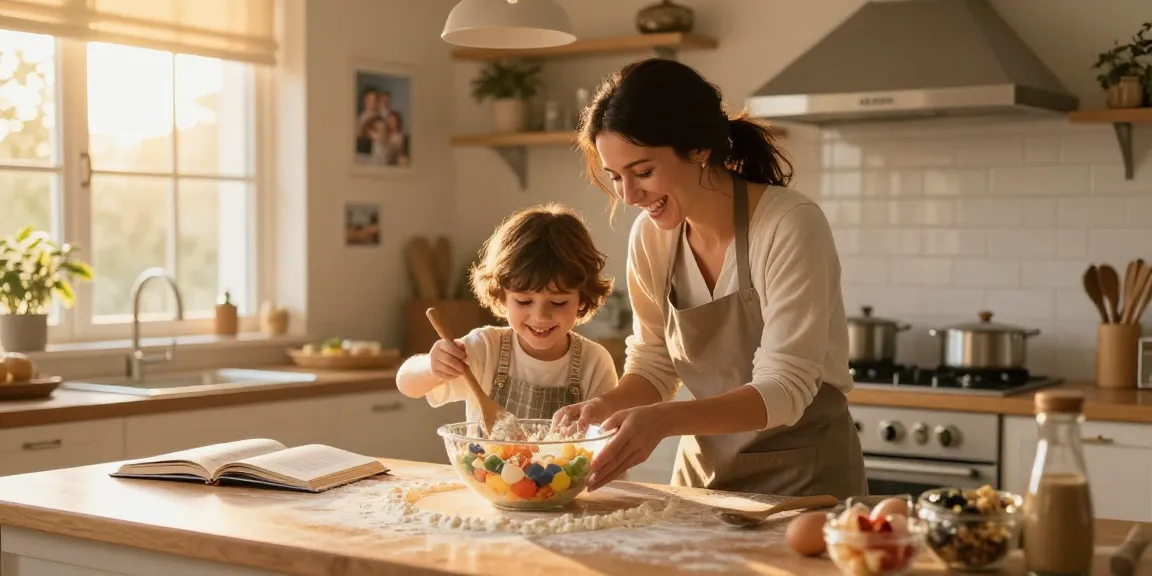
Cooking together fosters a sense of companionship and encourages communication among family members. It allows parents and children to collaborate on a shared task, promoting teamwork and reducing feelings of isolation. Involving everyone in the preparation of meals helps to establish a routine that reinforces family connections. Whether it’s the laughter from a little one trying to sprinkle salt or the discussions that arise while chopping vegetables, these moments build treasured memories that last a lifetime.
Benefits of Involving Children in the Kitchen
Encouraging children to participate in cooking not only cultivates their culinary skills but also enhances their confidence. Studies show that children who cook with their parents are more likely to try new foods and develop healthy eating habits. Furthermore, cooking can be a practical application of school subjects such as math, where measuring ingredients promotes numeracy skills, and science, where understanding the heating process teaches basic chemistry principles.
Exploring Cultural Traditions through Food
Family cooking is an excellent opportunity to explore cultural heritage. Preparing traditional dishes allows families to celebrate their ancestry and share stories passed down through generations. This cultural practice not only preserves family recipes but also introduces children to the diverse world of cuisines that expand their palate and knowledge of global traditions.
Easy and Fun Recipes for Busy Families
With the hustle and bustle of daily life, it can be challenging to allocate time for cooking. However, easy and fun recipes can transform family dinners into enjoyable experiences. Simple one-pot meals, quick-prep salads, and no-bake desserts can be wholesome options that fit within a busy schedule. Here are some quick ideas that can streamline dinner times:
Quick Dinner Ideas for Weeknights
- Stir-fried veggies and chicken: A 30-minute dish requiring just one pan and your favorite vegetables.
- Taco night: Lay out all ingredients and let everyone build their own tacos for an interactive dinner.
- Sheet pan salmon: Roast salmon with a medley of vegetables in under 20 minutes.
Healthy Breakfast Options for Kids
- Overnight oats: Prepare the night before with oats, yogurt, and your child’s favorite fruits.
- Smoothie bowls: Blend fruits and greens together, then let kids top with granola and seeds.
- Egg muffins: Bake egg mixtures in muffin tins for an easy breakfast on-the-go.
Creative Lunchbox Ideas that Kids Will Love
- Wraps: Use tortillas with varied fillings such as turkey and avocado or hummus and veggies.
- Fruit kabobs: Make eating fruits fun by combining colorful pieces on sticks.
- DIY pizza lunchables: Pack mini pitas, sauce, and toppings for fun assembly at school.
Engaging Children in the Cooking Process
Getting kids involved in cooking can be a delightful experience that encourages them to learn valuable skills as they help in the kitchen. Tailoring the cooking process to suit different ages can keep everyone engaged and excited about mealtime.
Fun Cooking Activities for Different Age Groups
- Preschoolers: Allow them to mix, pour, and decorate their meals with simple tasks like adding toppings or stirring dough.
- Elementary age: Teach them how to measure ingredients, read recipes, and understand cooking terms.
- Teens: Encourage them to plan a meal and shop for ingredients, giving them a sense of responsibility in meal preparation.
How to Encourage Independence in the Kitchen
Fostering independence in the kitchen can create lifelong cooking skills. Start by assigning age-appropriate tasks, gradually increasing their involvement as they gain confidence. For younger children, consider setting up a space where they can reach utensils and ingredients easily, while older kids can learn to follow recipes independently. This step towards autonomy not only boosts their self-esteem but also prepares them for future culinary endeavors.
Making Cooking a Family Tradition
Making cooking a family tradition can create a regular space for connection and communication. Designate certain days for family cooking nights or incorporate cooking into holiday celebrations, allowing for more exploration and creativity. By establishing these traditions, families can create unique rituals that include storytelling and laughter, making cooking a cherished family activity.
Educational Aspects of Cooking Together
Cooking with your family can seamlessly blend learning with fun. By incorporating educational elements into cooking, parents can enhance their children’s cognitive skills while engaging in a rewarding experience.
Math and Science in the Kitchen
Many children don’t realize that cooking encompasses various math concepts such as measuring, counting, and estimating. These skills become practical when, for instance, measuring out ingredients becomes a hands-on math lesson. Meanwhile, the science of cooking, like understanding how heat affects food texture, opens a whole new domain of exploration for curious minds.
Storytelling and Vocabulary Development through Recipes
Reading recipes aloud provides an excellent opportunity for vocabulary enhancement. As families prepare meals, they can discuss unfamiliar terms and ingredients, integrating storytelling into the cooking process. This interaction lays the groundwork for building language skills that will benefit children in school and beyond.
Lessons on Nutrition and Healthy Eating Habits
Cooking offers an ideal platform to teach children about nutrition. Discuss the importance of various ingredients and how they contribute to a balanced diet. Engaging children in meal planning based on nutritional principles sets the foundation for healthy eating habits in adulthood, ensuring they understand the value of making informed food choices.
Future Trends in Family Cooking
As we move towards 2026, family cooking is evolving with technology and sustainability at the forefront. These trends are reshaping the way families interact with food, potentially leading to greater enjoyment and healthier lifestyles.
Integrating Technology in Cooking Experiences
The use of technology in cooking is becoming increasingly popular, with countless apps and online recipes available. Families can explore cooking videos, use apps for meal planning, or even engage with virtual cooking classes. Such resources can bring a fresh perspective to traditional cooking methods and introduce families to cuisines from around the world.
Emphasis on Sustainability and Local Ingredients
With the growing awareness of environmental responsibility, families are more inclined to choose local and sustainable ingredients. Cooking with seasonal produce not only supports local farmers but also teaches children the importance of sustainability and the impact of their choices on the environment.
Predictions for Kitchen Designs and Tools in 2026
The future of kitchen design is leaning towards multifunctional spaces that promote family interaction. Expect to see more kitchens equipped with smart appliances that simplify cooking and encourage collaboration. Additionally, tools designed specifically for family cooking, such as kid-safe knives and interactive cookbooks, are set to become more prevalent.
What Are the Best Pasta Recipes?
For families looking to expand their cooking repertoire, pasta remains a versatile option. Simple recipes like spaghetti with homemade marinara or baked ziti are not only easy to prepare but also can involve the kids in various stages of the cooking process.
How Can Family Cooking Support Education?
Cooking can serve as an extension of learning in school. By linking cooking lessons to educational content, parents can create enriching experiences that support their children’s growth in a fun and memorable way. For example, cooking international dishes can be tied to geography lessons, making the food something everyone can enjoy while discovering different cultures.
What Skills Can Children Learn from Cooking?
The skills children acquire from cooking are vast and beneficial. From improving fine motor skills to enhancing teamwork, children become adept at problem-solving and critical thinking through culinary tasks. These competencies are invaluable as they progress through their academic and personal lives.
What are Some Easy Recipes for Beginners?
Easy, beginner-friendly recipes like scrambled eggs, quesadillas, and smoothies are fantastic options for families new to cooking. These dishes require minimal ingredients and can be adapted to suit personal tastes, ensuring that even the youngest chefs feel accomplished.
How to Make Cooking Fun for Kids?
To keep cooking engaging for kids, consider introducing themed cooking nights or creating challenges, such as who can make the most creative sandwich. Adding elements of games and play can transform the kitchen into a space of exploration and enthusiasm.