Understanding Interlock Tiles and Their Benefits
Interlock tiles have revolutionized the flooring industry, combining functionality with aesthetic appeal. These innovative tiles are not only popular for their ease of installation but also for their versatility across a variety of applications, from residential to commercial spaces. They are designed to interconnect easily, providing a seamless and strong surface that can withstand heavy foot traffic. When exploring options, Interlock tiles offer a comprehensive insight into choices available to enhance your living or working environment.
What Are Interlock Tiles?
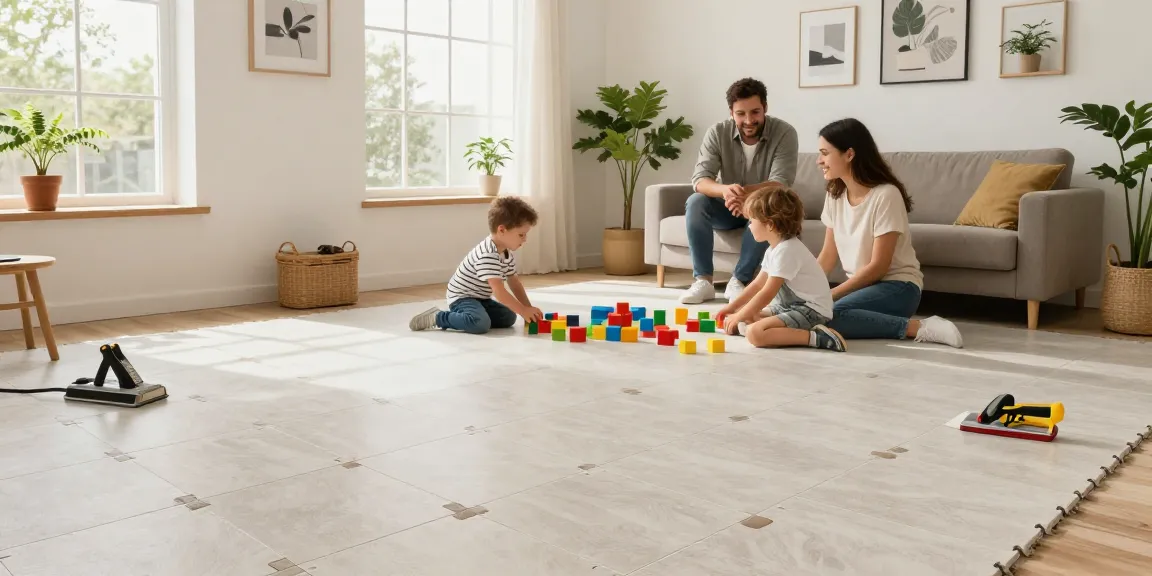
Interlock tiles are modular flooring solutions that fit together like puzzle pieces. Made from various materials including PVC, rubber, and wood, these tiles create a floating floor that does not require adhesives or nails for installation. The interlocking mechanism securely holds the tiles in place, allowing for easy adjustments and replacement when necessary. This flexibility makes interlock tiles an ideal choice for both temporary and permanent installations.
Key Advantages of Using Interlock Tiles
- Ease of Installation: Their interlocking design eliminates the need for specialized tools or professional installation, making them perfect for DIY enthusiasts.
- Cost-Effectiveness: Interlock tiles are often less expensive than traditional flooring options when considering installation labor costs.
- Durability: These tiles are resistant to wear and tear, moisture, and stains, making them suitable for high-traffic areas.
- Versatility: Available in a range of colors, patterns, and textures, interlock tiles can complement various interior design styles.
- Low Maintenance: Cleaning interlock tiles is straightforward, requiring minimal effort to maintain their aesthetic appeal.
Common Misconceptions About Interlock Tiles
Despite their popularity, several misconceptions about interlock tiles persist. One common myth is that interlock tiles are less durable than traditional flooring. However, many interlock options are designed to be as robust as conventional flooring materials, often surpassing them in resistance to impacts and moisture. Additionally, some believe interlock tiles are only suitable for certain environments; in reality, they can be tailored for a wide range of settings, from homes to industrial floors.
Choosing the Right Interlock Tiles for Your Space
Selecting the appropriate interlock tiles involves considering various factors, including the intended use of the space, design aesthetics, and budget. Understanding these elements will help you make an informed decision that aligns with your specific needs.
Factors to Consider When Selecting Interlock Tiles
- Material: Choose tiles made from materials that suit your environment, whether it’s moisture-prone areas like bathrooms or high-impact zones like garages.
- Texture and Finish: The texture can affect both aesthetics and safety; choose slip-resistant options for areas requiring additional grip.
- Color and Design: Consider how the colors and patterns of the tiles will complement your existing decor.
- Thickness: The thickness of the tiles can affect their durability and comfort underfoot, especially for spaces where people will be standing for long periods.
Comparative Analysis: Interlock Tiles vs. Traditional Flooring
When comparing interlock tiles to traditional flooring options, it’s essential to weigh the pros and cons of each. While traditional flooring often requires glue or nails for installation, making it more permanent, interlock tiles offer a flexible and temporary solution that can be changed as needed. Traditional flooring may provide a more uniform look; however, interlock tiles can create unique designs through various patterns and colors, adding a personalized touch.
Trends in Interlock Tiles for 2026
As we move towards 2026, several exciting trends are emerging in the realm of interlock tiles. Eco-friendly materials are gaining popularity, with manufacturers increasingly offering tiles made from recycled products. Additionally, the integration of technology in flooring design will see smart interlock tiles that can monitor wear and alert homeowners to potential issues. Customization options are also on the rise, allowing homeowners to create bespoke designs tailored to their personal style.
Installation Process for Interlock Tiles
Installing interlock tiles can be a rewarding DIY project. Understanding the installation steps and necessary tools can help ensure a successful outcome.
Step-by-Step Guide to Installing Interlock Tiles
- Prepare the subfloor by cleaning and leveling it to ensure a smooth surface.
- Begin laying the tiles from one corner of the room, ensuring they are aligned properly.
- Continue laying tiles, interlocking them tightly. Use spacers if necessary to maintain consistent gaps.
- Trim tiles around edges or corners as needed using a utility knife.
- Once all tiles are in place, walk over them to ensure they are secure and adjust if necessary.
Essential Tools and Materials for Installation
- Utility knife for trimming tiles.
- Measuring tape to ensure accuracy.
- Level to verify the flatness of the subfloor.
- Rubber mallet to ensure interlocks are secured without damaging tiles.
- Spacers to maintain even gaps where required.
Common Installation Challenges and Solutions
While installing interlock tiles is generally straightforward, challenges can arise. Uneven subfloors can lead to gaps in the tiles; using a leveling compound can help. If tiles are not interlocking properly, checking for debris or dirt in the grooves may resolve the issue. Ensuring the tiles are acclimated to the room temperature before installation can also prevent complications related to expansion or contraction.
Maintenance Best Practices for Interlock Tiles
To ensure longevity and maintain the aesthetic appeal of your interlock tiles, following proper maintenance practices is essential.
Cleaning and Care Tips for Longevity
- Regularly sweep or vacuum to remove dirt and debris.
- Use a damp mop with a mild cleaner to maintain cleanliness without damaging the tiles.
- Avoid harsh chemicals that could degrade the material over time.
How to Repair Damaged Interlock Tiles
If an interlock tile becomes damaged, it is typically easy to replace. Lift the damaged tile by interlocking it and replace it with a new one, ensuring it fits snugly into place. For minor scratches or scuffs, using a repair kit designed for the specific tile material can provide a quick fix.
Preventing Common Issues with Interlock Tiles
Common issues include shifting tiles and water damage. To prevent shifting, ensure that the installation is done on a clean, flat surface. Using appropriate sealants around the perimeter of the tiles can help combat water intrusion, particularly in moisture-prone areas.
Future Trends and Innovations in Interlock Tiles
The future of interlock tiles is bright, with ongoing innovations set to enhance their functionality and appeal.
Eco-Friendly Options in Interlock Tiles
As sustainability becomes more important, eco-friendly interlock tiles made from recycled materials are expected to dominate the market. These tiles not only contribute to environmental conservation but also offer similar durability and aesthetic qualities as traditional options.
Smart Home Integration with Interlock Tiles
The integration of smart technologies in flooring solutions is on the rise. Future interlock tiles may come equipped with sensors to detect wear or moisture levels, alerting homeowners to maintenance needs through smart home systems, thereby enhancing convenience and longevity.
What to Expect in the Interlock Tiles Market by 2026
Looking ahead, the interlock tiles market is likely to see significant growth driven by increasing consumer awareness of personalized living spaces and the pursuit of sustainable design solutions. Innovations in technology and materials are expected to enhance functionality, making interlock tiles a highly sought-after flooring option.
What are interlock floor tiles?
Interlock floor tiles are modular pieces that connect with each other, requiring no adhesive. They create a durable and customizable flooring option suitable for various environments.
Are interlocking tiles better than normal tiles?
Interlocking tiles offer significant advantages over traditional tiles, including easier installation, flexibility for reconfiguration, and often lower overall costs due to simplified labor requirements.
What are the benefits of interlocking tiles?
The primary benefits include ease of installation, durability, low maintenance, and a wide variety of design options that allow for customization in any space.
Can interlock tiles be used outdoors?
Yes, many interlock tiles are designed specifically for outdoor use, offering water resistance and durability against the elements.
How do I clean interlocking tiles?
Cleaning interlocking tiles typically involves sweeping and mopping with a mild cleaner. It’s important to avoid abrasive soaps that could damage the tiles.