Introduction to Entry-Level Thermal Cameras
In an age where technology continues to evolve rapidly, entry-level thermal cameras have emerged as invaluable tools across various industries. These sophisticated devices not only enhance efficiency in thermal inspections but also ensure the accuracy of temperature readings crucial for safety and operational efficiency. Whether you’re a professional in construction, HVAC, or electrical inspections, understanding the capabilities of entry-level thermal cameras can significantly impact your workflow and outcomes. The entry-level thermal camera segment offers a unique balance of affordability and performance, making it accessible for both seasoned professionals and newcomers alike.
What is an Entry-Level Thermal Camera?
An entry-level thermal camera is designed to provide non-invasive thermal imaging capabilities at a price point that is more accessible for consumers, small businesses, and professionals who require efficient solutions without the expense of high-end models. These cameras utilize infrared technology to detect heat signatures and present them visually, allowing users to identify hot spots, cold spots, and thermal anomalies.
Key Applications in Various Industries
Entry-level thermal cameras serve multiple industries, offering diverse applications:
- Electrical Inspections: Identifying overheating components and potential electrical faults before they lead to failures.
- HVAC Services: Diagnosing system inefficiencies and conducting maintenance on heating and cooling systems.
- Building Inspections: Assessing insulation performance, moisture intrusion, and energy loss.
- Automotive Diagnostics: Finding engine and exhaust leaks, as well as monitoring engine performance.
Importance of Accurate Thermal Imaging
Accurate thermal imaging is critical in preventing costly damages and ensuring safety across all applications. A quality thermal camera can provide detailed insights into temperature distributions, helping professionals make informed decisions quickly. Inaccurate readings can lead to misdiagnoses and unnecessary repairs, emphasizing the need for reliable instruments in critical inspections.
Benefits of Using the HANMATEK® Ti240
The HANMATEK® Ti240 stands out in the crowded entry-level thermal camera market, offering advanced features typically found in higher-end models. With its robust design and impressive performance specifications, it caters to the needs of both professionals and enthusiasts alike.
High-Performance Infrared Sensor Features
At the heart of the Ti240 is a high-performance infrared sensor that delivers a resolution of 240 x 240 pixels. This resolution allows users to capture precise thermal images, identifying even the smallest temperature variations with a sensitivity of ≤60 mK. Equipped with Thermal Image Super Resolution (TISR) technology, the Ti240 enhances image clarity, which is essential for analyzing potential faults and problems during inspections.
Comparison with Other Entry-Level Models
When compared to other entry-level thermal cameras, the Ti240’s combination of features offers remarkable value. For instance, it supports a wide temperature measurement range from -20°C to 550°C and boasts a refresh rate of 25 Hz, making it suitable for dynamic inspection scenarios. Many competitors fall short in either temperature range or update frequency, highlighting the Ti240’s superior capabilities.
User Experiences and Customer Reviews
Customer feedback on the HANMATEK® Ti240 consistently showcases its reliability and performance. Users appreciate its user-friendly interface and the functionality that supports real-time tracking of temperature extremes. Overall, the reviews have rated the Ti240 with an average of 5 stars, underscoring its reputation as a go-to solution for thermal inspections.
Practical Applications of Thermal Cameras
The applications of thermal cameras extend beyond mere temperature readings; they play a crucial role in preventative maintenance and safety assurance across various fields.
Electrical Inspections: Identifying Faults
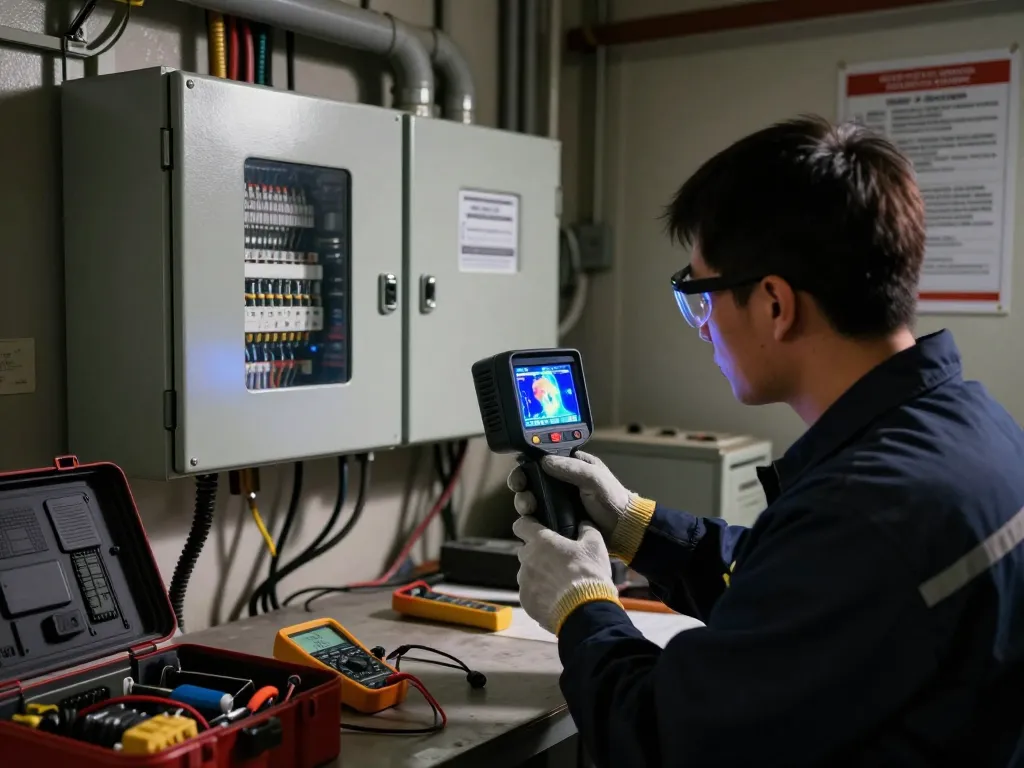
Electrical systems generate heat as a result of resistance and current flow, making thermal cameras essential tools for identifying hotspots and potential electrical failures before they become critical issues. By using the HANMATEK Ti240, electricians can easily pinpoint overheated connections or overloads during routine maintenance checks.
HVAC System Diagnostics
In HVAC applications, thermal cameras can help assess the efficiency of heating and cooling systems. The Ti240 allows technicians to visualize thermal gradients across ductwork and ensure optimal performance of HVAC systems. This proactive approach can result in significant energy savings and enhanced comfort for occupants.
Building Envelope Analysis
Thermal cameras are invaluable for assessing building envelopes, allowing inspectors to detect insulation deficiencies, air leaks, and moisture intrusion. The ability to visualize these issues helps contractors make informed decisions about repairs that can ultimately lead to energy efficiency and cost savings.
Maintenance and Care for Thermal Cameras
To ensure long-lasting performance from thermal cameras like the Ti240, proper maintenance and care are imperative.
Regular Maintenance Best Practices
Regularly clean the camera lens with a soft, dry cloth to prevent dust and smudges from affecting image quality. Calibration checks should also be performed periodically to ensure the accuracy of temperature readings, particularly if the camera is used frequently.
Battery Life Optimization Techniques
To maximize battery life, users should ensure that the Ti240 is powered off when not in use. Using screen brightness settings wisely can also save battery life, allowing for longer operational periods in the field.
Storing and Transporting Your Device Safely
When not in use, thermal cameras should be stored in a protective case to prevent physical damage. Additionally, keeping the device in a climate-controlled environment helps maintain battery health and overall functionality.
Future Trends in Thermal Imaging Technology
As we look ahead to 2026, several trends are shaping the future of thermal imaging technology.
Emerging Features in 2026
Anticipated advancements include improvements in sensor resolution and thermal sensitivity, as well as the integration of artificial intelligence (AI) for more precise diagnostics. The incorporation of these technologies is set to enhance the efficiency and reliability of thermal inspections.
Integration with IoT and Smart Technologies
The convergence of thermal imaging with Internet of Things (IoT) technologies is expected to enhance real-time monitoring capabilities significantly. Smart thermal cameras could communicate data to centralized management systems, enabling predictive maintenance and streamlined workflows across industries.
Predictions for Market Growth and Advancements
The thermal imaging market continues to exhibit robust growth, driven by increased awareness of energy efficiency and health safety measures. As more industries recognize the value of thermal imaging, we can expect innovative features and applications to emerge, making it a pivotal tool in the diagnostic toolkit.
What makes the HANMATEK Ti240 suitable for professionals?
The HANMATEK Ti240’s superior resolution, user-friendly interface, and robust build quality make it a reliable choice for professionals who require precision and efficiency in their inspections. Its capability to switch between Celsius and Fahrenheit also caters to various user preferences.
How long does the Ti240 operate on a single charge?
With its built-in 2000mAh rechargeable lithium battery, the Ti240 offers up to 9 hours of continuous operation, ensuring that professionals can rely on it for extended inspection sessions without interruptions.
What types of recordings can the Ti240 perform?
The Ti240 supports both photo (JPEG) and video (MP4) recording formats, allowing for thorough documentation of findings during inspections. This feature enhances ease of reporting and sharing results with clients or team members.
Is the Ti240 waterproof?
While the Ti240 is rated IP54 for dust and splash resistance, it is not entirely waterproof. Users should take care to avoid exposing the camera to heavy rain or submerging it in water to maintain its operational integrity.
How does the Ti240 compare to competitors’ entry-level models?
When compared to other entry-level thermal cameras, the Ti240 stands out due to its exceptional image quality, advanced features, and user-friendly design. Many competitors cannot match its comprehensive capabilities, making it a valuable investment for professionals seeking reliable thermal imaging solutions.