Introduction to Colonial Home Construction
Colonial home construction stands as a testament to architectural evolution, providing a blend of aesthetic appeal and functional design that remains popular to this day. This engaging style captures the essence of American historical architecture, drawing inspiration from European influences. As you delve into the nuances of colonial homes, you’ll discover their rich history, unique features, and the many benefits they offer to modern homeowners. The process of building such homes can be both rewarding and intricate. Understanding the nuances of colonial home construction is essential for anyone considering this elegant yet functional design for their future abode.
Understanding Colonial Architecture
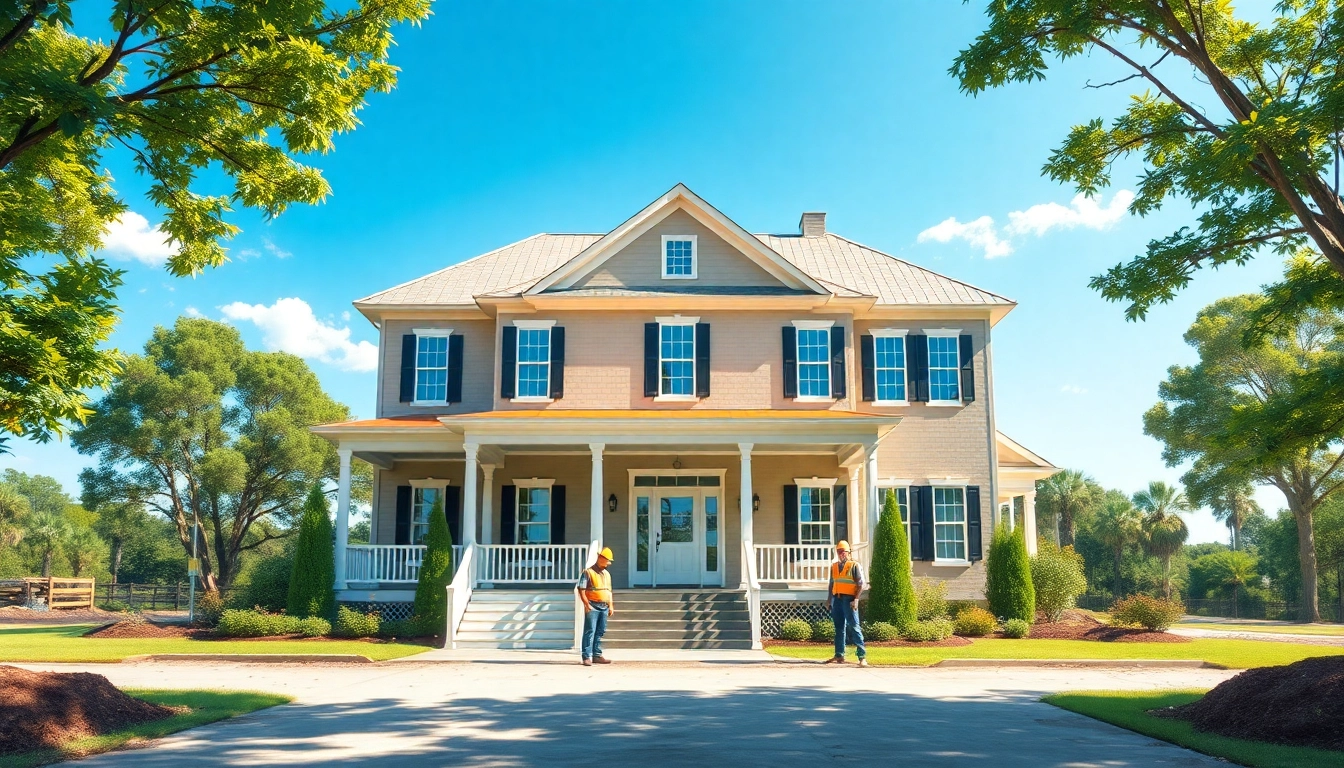
Colonial architecture encompasses a diverse range of styles that emerged during the colonial period in America, influenced primarily by the architectural practices of the settlers from Europe. Common features of colonial homes include symmetrical facades, gabled roofs, and evenly spaced windows. Throughout the years, various colonial styles have evolved, including Georgian, Federal, Dutch, and Spanish Colonial, each bearing distinctive characteristics while adhering to the fundamental principles of colonial design. These homes often incorporate elements such as brick, wood siding, and decorative moldings, underscoring their historical significance and aesthetic grandeur.
Benefits of Colonial Home Design
There are numerous advantages to choosing a colonial home design. First and foremost, these homes often boast timeless appeal, which can enhance property value over time. Additionally, their spacious layouts tend to include practical elements such as side halls, living rooms, and efficient kitchen spaces, making them ideal for families. Moreover, many colonial homes feature a strong connection to nature through large windows and covered porches, creating a harmonious living environment. Lastly, the durability of construction materials used in colonial design ensures longevity, minimizing maintenance concerns.
Historical Significance of Colonial Homes
The historical importance of colonial homes cannot be overstated. They provide insights into the sociocultural dynamics of early American life, reflecting the lifestyles and values of the time. These homes often served not just as residences but also as gathering places for community events, making them vital centers within their localities. The preservation and ongoing interest in colonial architecture underscore a desire to connect with the past, offering contemporary homeowners a glimpse into the origins of American domestic architecture.
Key Features of Colonial Home Construction
Architectural Elements and Styles
Colonial homes are easily recognizable due to their distinctive architectural elements. This includes features such as:
- Symmetry: Most colonial homes exhibit a balanced and harmonious design, with windows and doors aligned evenly.
- Gabled Roofs: The typical gabled roof slopes on two sides, contributing to both aesthetics and functionality, efficiently shedding rain and snow.
- Central Hallway: Many colonial homes utilize a central hallway that connects different living spaces, promoting flow and accessibility.
- Chimneys: Traditionally, colonial homes feature prominent chimneys, often centrally located, serving both aesthetic and practical purposes for heating.
Materials Used in Colonial Construction
The materials selected for colonial home construction are intrinsic to their durability and charm. Common materials include hardwoods like oak for flooring and trim, brick or wood siding for exteriors, and slate or wooden shingles for roofing. The choice of materials often reflects local availability, contributing to regional variations in colonial architecture. These materials not only provide aesthetic appeal but also ensure robust structures capable of withstanding the test of time.
Interior Design Trends in Colonial Homes
Colonial interior design often showcases a blend of period-appropriate decor with modern functionality. Characteristics such as:
- Natural Materials: Interiors frequently feature exposed beams, hardwood floors, and stone fireplaces, creating warmth and inviting spaces.
- Color Palettes: Colonial homes often lean toward pastel shades with rich, warm accents, evoking a sense of history and tradition.
- Antique Furnishings: Incorporating vintage or reproduction furniture complements the architectural style, reinforcing the historical aesthetic.
Planning Your Colonial Home Construction
Choosing the Right Location
Selecting an optimal location for your colonial home is critical to enhancing its charm and function. Factors to consider include proximity to schools, amenities, and environmental features like views or natural greenery. Additionally, evaluating the neighborhood’s architectural integrity is essential to ensure your colonial home harmonizes with surrounding designs, maintaining historical and aesthetic consistency.
Budgeting for Colonial Home Construction
Budgeting for colonial home construction involves a comprehensive understanding of potential costs. Initial considerations should include land acquisition, permitting, design expenses, and material costs. Allocating funds for labor, furnishings, and potential landscaping will also contribute to a more accurate budget. Setting aside additional contingency funds for unexpected expenses during construction is prudent to ensure your project remains on track financially.
Working with Architects and Builders
Collaborating with experienced architects and builders familiar with colonial designs is imperative for a successful project. These professionals can guide you through the design process, ensuring the final product aligns with your vision and adheres to local building codes. Clear communication of your needs and preferences will facilitate a smoother construction process, while their knowledge can help you navigate any complexities or challenges that may arise.
Common Challenges in Colonial Home Construction
Dealing with Zoning Regulations
Navigating zoning regulations can pose challenges during colonial home construction. Local building codes may dictate the types of structures allowed in specific areas, particularly concerning size, style, and land use. Engaging legal expertise or consulting with local government representatives can provide clarity and assure compliance with all necessary regulations, preventing potential delays in the construction timeline.
Addressing Weather and Climate Considerations
Weather and climate conditions can impact the choice of building materials and design features in colonial homes. For instance, regions with high humidity may necessitate specialized treatments on wood to prevent decay, while areas prone to heavy snow loads will require stronger roofing systems. Understanding and accommodating these environmental factors during the planning phase can enhance the home’s resilience and longevity.
Managing Construction Timelines
Ensuring that your colonial home construction stays on schedule often requires diligent management. Establishing realistic timelines for various phases of the project—such as design, permitting, and construction—will keep everything on track. Regular check-ins with your contractors and builders, paired with a clear project plan, can lead to timely completion while maintaining quality standards.
FAQs About Colonial Home Construction
What are the typical costs of colonial home construction?
The costs of colonial home construction can vary significantly based on location, materials, and design choices. On average, expect to spend between $150 to $300 per square foot, depending on various factors.
How long does it take to build a colonial home?
The timeline for building a colonial home typically ranges from 6 to 12 months, depending on the complexity of the design and availability of materials and labor.
What maintenance is required for a colonial home?
Colonial homes require regular maintenance such as painting, roof inspections, and clearing gutters. Attention to wood treatments and seasonal landscaping is also essential for longevity.
Can colonial homes be customized?
Yes, colonial homes can be customized to fit individual styles and needs. Working closely with architects allows homeowners to modify layouts and designs while preserving the architectural integrity.
Are colonial homes energy efficient?
Modern colonial homes can be energy-efficient with proper insulation and energy-saving windows. Integrating sustainable materials and systems can enhance overall efficiency as well.