
Understanding Bed Bug Heat Treatment
Bed bug infestations can be a significant nuisance, causing sleepless nights and anxiety for homeowners and renters alike. One of the most effective methods for eliminating these pests is through bed bug heat treatment. This technique has gained popularity for its effectiveness and eco-friendliness compared to traditional chemical treatments. In this article, we will delve into the specifics of bed bug heat treatment, how it works, and why it might be the ideal solution for your infestation issues.
When exploring options, bed bug heat treatment provides comprehensive insights into modern pest control technologies that prioritize safety and effectiveness.
What is Bed Bug Heat Treatment?
Bed bug heat treatment involves raising the temperature of an infested area to a level that is lethal to bed bugs. Typically, temperatures between 120°F and 140°F are used, effectively targeting all life stages of bed bugs including eggs, nymphs, and adults. This method is advantageous because it does not rely on chemical pesticides, making it an eco-friendly option that minimizes potential health risks to humans and pets.
How Does Heat Treatment Work?
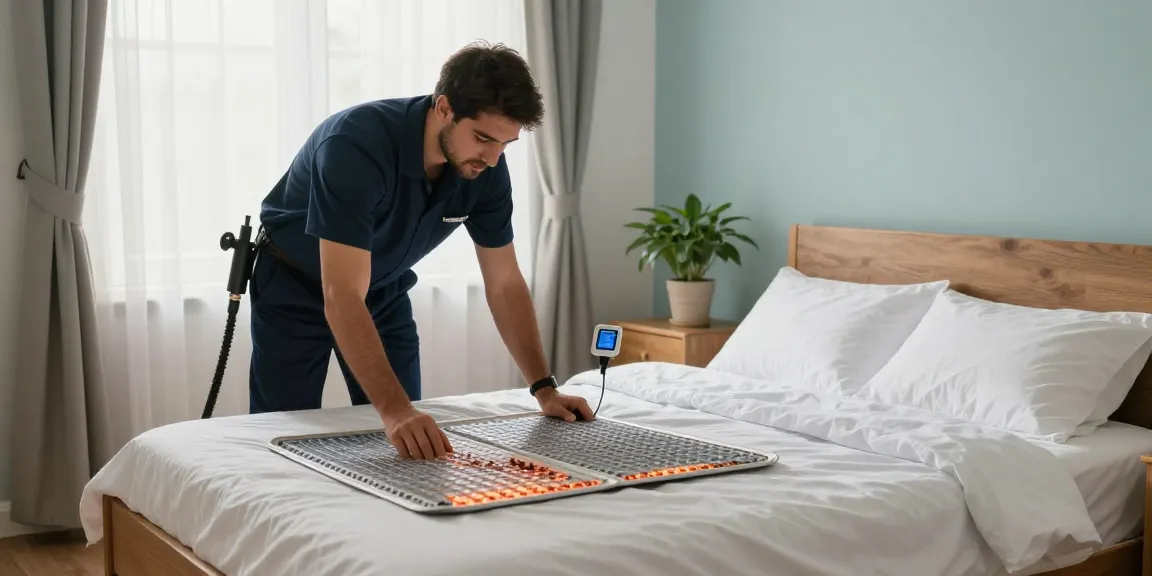
The process of heat treatment involves professional-grade equipment that generates and circulates hot air throughout the infested space. This precise heating process allows for even temperature distribution, ensuring that every corner of the room reaches a lethal temperature for bed bugs. The duration of the treatment usually lasts between 6 to 8 hours, depending on the severity of the infestation and the size of the area being treated.
Benefits of Heat Treatment Over Traditional Methods
- Comprehensive Elimination: Heat treatment kills bed bugs in all life stages, offering a more thorough solution compared to chemical treatments which may only target certain stages of life.
- Fast Results: Many homeowners report seeing immediate results after treatment, with dead bugs appearing within hours of exposure to high heat.
- Environmentally Friendly: Unlike chemical treatments, heat treatment does not leave behind toxic residues, making it safe for children and pets.
- Furniture and Belongings: This method allows you to keep your belongings intact, as there is no need to dispose of infested furniture.
Effectiveness of Bed Bug Heat Treatment
Understanding the effectiveness of bed bug heat treatment is essential for making an informed decision about pest control options. Below, we explore empirical data, and case studies, and the life cycle of bed bugs to highlight the benefits of this method.
Data on Success Rates and Residual Efficacy
Studies indicate that heat treatments can achieve success rates of up to 100% when performed correctly. This is largely due to the method’s ability to target all life stages of bed bugs. Moreover, heat treatment does not just kill visible bed bugs; it also eliminates eggs and nymphs residing in hard-to-reach areas, making it a long-term solution.
Case Studies: Real-Life Examples of Success
In a recent study involving 22 apartments treated with heat, residents reported a dramatic decrease in bed bug sightings and bites. Follow-up inspections confirmed that the heat treatment was effective, with no signs of re-infestation in most cases. Additionally, landlords noted improved tenant satisfaction and reduced turnover rates due to effective pest management.
Understanding Life Cycle of Bed Bugs for Optimal Results
To maximize the effectiveness of heat treatment, it is crucial to understand the life cycle of bed bugs. Adult bed bugs can lay between 200-500 eggs throughout their lifespan, making rapid reproduction a significant challenge. The heat treatment targets both the adults and their eggs, thwarting the cycle of reproduction and ensuring long-term success against infestations.
Preparation for Bed Bug Heat Treatment
Preparing your home for heat treatment is essential for achieving optimal results. Proper preparation not only enhances the effectiveness of the treatment but also ensures a smoother process overall.
Steps to Take Prior to Treatment
- Declutter: Remove items from the treated area to allow maximum airflow and reach.
- Isolate: Seal linens, vacuum bags, and clothing in plastic bags to prevent bed bugs from scattering.
- Inform: Notify any tenants or family members of the impending treatment to ensure they are prepared.
Common Mistakes to Avoid
Avoiding common mistakes during preparation can significantly impact the treatment’s success. One major pitfall is underestimating the importance of thorough cleaning. Failing to wash or seal items can lead to bed bugs hiding in unaddressed areas, undermining the entire treatment.
What to Expect During the Treatment Process
The treatment process is typically straightforward. Technicians will arrive with specialized equipment to set up and monitor the heating process. It’s vital to vacate the premises during treatment, as the high temperatures can be uncomfortable or unsafe for humans and pets. After treatment, technicians will conduct inspections to ensure that all areas have reached the necessary temperatures.
Post-Treatment Care and Maintenance
Following the heat treatment, proper care and maintenance will help ensure that your home remains bed bug-free.
Signs of Success Post-Treatment
Success can be gauged by a lack of new bites and the absence of live bugs. Homeowners should remain vigilant for signs, such as small bloodstains on sheets or dark spots of excrement.
Long-term Prevention Strategies
- Regular Inspections: Conduct routine checks in vulnerable areas such as mattresses and cracks in furniture.
- Use Protective Covers: Mattress covers can help prevent bed bugs from entering or escaping.
- Education: Stay informed about bed bug behaviors and signs of infestation to catch potential problems early.
When to Schedule Follow-Up Treatments
It’s recommended to follow up with professionals if symptoms of a re-infestation appear within 6-12 months of the initial treatment. Early intervention is crucial for maintaining a bedbug-free environment.
Frequently Asked Questions About Bed Bug Heat Treatment
How much does bed bug heat treatment cost?
The cost of bed bug heat treatment can vary based on the size of the infestation and the area being treated. However, many clients find the investment worthwhile due to the method’s effectiveness and the long-term peace of mind it provides.
Is bed bug heat treatment safe for children and pets?
Yes, heat treatment is considered safe for children and pets once the treatment is complete. The absence of chemical residues and the natural eradication of pests make it an attractive option for families.
Can I stay in my home during the treatment?
It is advised to vacate the premises during the heat treatment process to ensure safety and comfort. Technicians will inform you about when it is safe to return.
How long does the bed bug heat treatment process take?
The entire process typically lasts between 6 to 8 hours, although this can vary based on the scale of the infestation and the size of the space.
What should I do if bed bugs return?
If you notice any signs of bed bugs after treatment, contact your pest control provider immediately for consultation and potential follow-up treatments.