Understanding Kling Motion and Its Capabilities
The digital landscape is rapidly evolving, especially with advancements in video creation technologies. One of the most significant breakthroughs is the introduction of Kling motion, an AI-driven platform that leverages motion control technology to transform static images into dynamic videos. By utilizing sophisticated algorithms and extensive datasets, Kling motion empowers creators to produce high-quality, realistic videos that resonate with audiences. As we delve deeper into its capabilities, it becomes clear that Kling motion is not just a tool; it’s an innovative solution that enhances the creative workflow for professionals across various industries.
What is Kling Motion Technology?
Kling Motion Technology is a cutting-edge artificial intelligence system that enables the conversion of still images into videos by simulating realistic motion patterns. This technology analyzes a reference video and applies the identified motion dynamics to a static character image, producing a fluid and cohesive video output. The process involves intricate data processing, where the AI deciphers movement trajectories, facial expressions, and body language to ensure that the resulting video mimics real-life interactions.
Key Features of Kling Motion 2.6
- Accurate Motion Path Control: Provides precise direction and timing for character movements.
- Reliable Character Identity Preservation: Maintains the character’s features, clothing, and proportions throughout the video.
- Photorealistic Output: Generates high-resolution videos that approach traditional CGI quality.
- Advanced Control for Complex Actions: Supports intricate movements such as Tai Chi or dynamic dance routines.
- Rapid Video Generation: Allows for quick previews and exports of changes, facilitating a faster creative process.
Benefits of Using Kling Motion for Video Creation
Utilizing Kling motion not only enhances video quality but also simplifies the animation process. Creators can achieve professional-grade videos without extensive training in animation techniques. Moreover, the system’s ability to handle complex motion sequences allows for greater artistic expression, catering to diverse project requirements. The integration of Kling motion into video production workflows can result in significant time savings and resource efficiency, making it an indispensable tool for social media marketers, filmmakers, and content creators alike.
Getting Started with Kling Motion
Embarking on your journey with Kling motion requires a clear understanding of its interface and functionalities. With its user-friendly design, getting started is straightforward. Whether you’re a seasoned professional or a beginner, familiarizing yourself with the setup is crucial for optimizing your video creation process.
Setting Up Your Workspace for Success
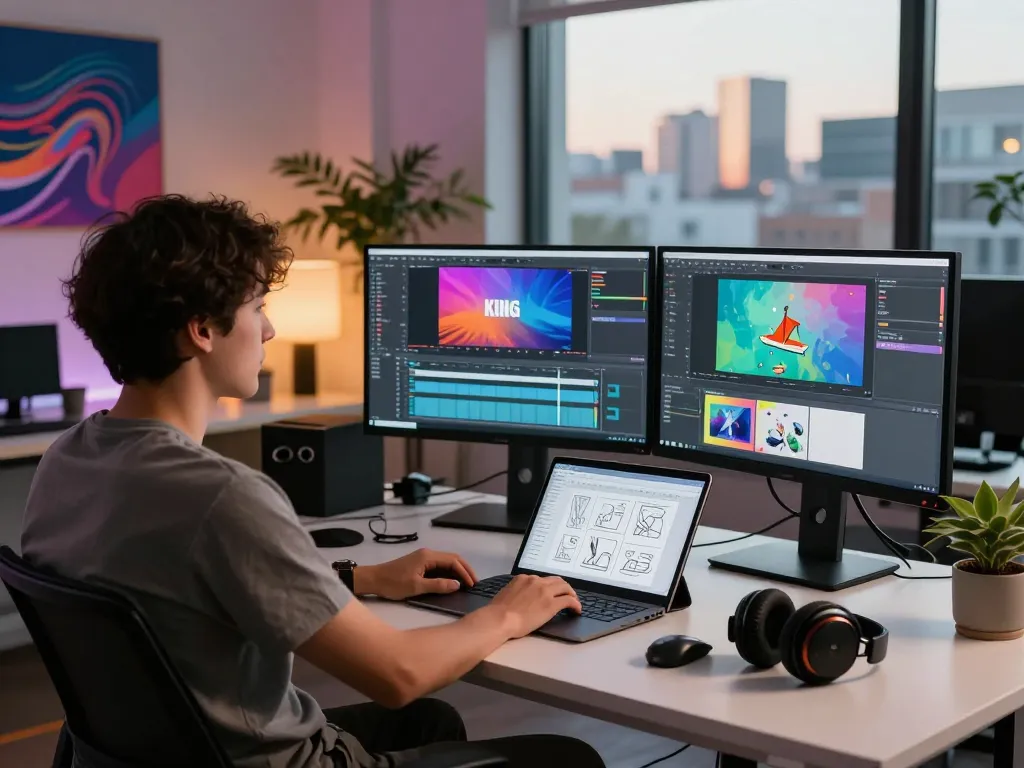
Before diving into video creation, ensure your workspace is equipped with the necessary tools. A reliable computer with sufficient processing power is essential, as Kling motion demands considerable resources for rendering videos smoothly. Additionally, having a high-resolution monitor can help you assess the details and quality of your output accurately. Finally, consider a good internet connection for quick uploads and downloads of reference materials.
Uploading Images and Reference Videos
To begin creating with Kling motion, you’ll need to upload a character image and a reference video. The image should be a full-body or half-body shot with a visible background and must meet specific size requirements (max size: 150MB). The reference video serves as the motion guide, dictating how the character image will animate. Choosing a reference that contains clear and controlled motion can significantly enhance the final video quality.
Optimizing Settings for Best Results
Optimization is key when it comes to achieving the best results. Pay attention to the character’s orientation in relation to the motion reference, as aligning the framing ensures smoother motion transfer. Additionally, leveraging the text prompts allows you to instruct the AI on specific actions or desired atmospheres, thereby tailoring the output to match your vision.
Maximizing Output with Kling Motion Techniques
Once you’ve set up your workspace and uploaded your materials, maximizing the output requires a strategic approach. Understanding how to manipulate the features of Kling motion will enhance not only the quality of your videos but also the efficiency of your workflow.
Defining Clear Motion Paths
Establishing clear motion paths for characters is essential for believable animations. Kling motion allows users to define specific trajectories for movements, ensuring that every action follows your intended direction. This feature is crucial when creating orchestrated scenes or synchronized movements, as it reduces visual chaos and maintains fluidity throughout the video.
Enhancing Character Behaviors and Expressions
One of the standout features of Kling motion is its ability to capture nuanced character behaviors and facial expressions. By utilizing high-quality reference videos, users can instruct the AI to replicate specific emotional shifts in characters seamlessly. This capability is particularly valuable for creators looking to infuse personality and depth into their projects.
Improving Visual Fidelity and Realism
To enhance visual fidelity, opt for high-resolution images and carefully selected reference motion clips. This combination ensures that the final output benefits from realistic lighting, textures, and movement consistency. Regularly testing different settings can help identify the optimal configurations for achieving the desired visual impact.
Common Challenges and Solutions in Kling Motion
Despite its advanced functionality, users may encounter challenges while working with Kling motion. Addressing these common issues proactively can lead to smoother project execution and better results.
Identifying and Fixing Motion Drift Issues
Motion drift can occur when there’s a misalignment between the character image and the reference motion. To tackle this, ensure both the image and video share the same framing and orientation. It may also be beneficial to use motion clips with restricted range and minimal camera drift to maintain stability throughout the animation.
Addressing Identity Preservation Concerns
Maintaining character identity during the animation process is crucial. To achieve this, choose images that have clear backgrounds and avoid cuts that can lead to visual discrepancies in the generated video. Regular tests will allow you to gauge any identity shifts and make necessary adjustments promptly.
Efficient Rendering: Best Practices
Rendering efficiency is vital for a productive workflow. To optimize rendering times, keep your image sizes manageable while ensuring they meet the quality standards needed for high-resolution outputs. Consider working on smaller segments of your project first before integrating them into a complete video, as this can help reduce waiting times significantly.
The Future of Motion Control AI
The landscape of video creation technology is constantly evolving, and motion control AI is at the forefront of this transformation. As we look to the future, several emerging trends are poised to reshape how videos are produced and consumed.
Emerging Trends in Video Creation Technologies
Innovation in AI-driven tools continues to rise, with increasing integration of virtual and augmented reality support. These advancements will likely expand the capabilities of motion control systems, allowing users to create even more immersive experiences. Additionally, as deep learning models improve, we can expect greater accuracy and realism in animations.
Predictions for Kling Motion in 2026 and Beyond
By 2026, Kling motion is expected to evolve significantly, incorporating user feedback and technological advancements. Anticipated updates may include enhanced compatibility with diverse media formats, improved user interface designs, and more robust customization options. As the demand for high-quality video content escalates, platforms like Kling motion will likely remain essential for content creators.
Staying Ahead: Continuous Learning and Adaptation
As the realm of motion control technology develops, continuous learning will be vital for professionals in the field. Engaging with training materials, participating in webinars, and following industry trends will help creators stay ahead in the game. Embracing new features and techniques offered by platforms like Kling motion can lead to increased versatility and adaptability in creative projects.
Is Kling Motion Suitable for Commercial Use?
Yes, Kling motion is well-suited for commercial use, as it adheres to high-quality production standards and offers a streamlined workflow. However, it’s crucial for users to review the licensing agreements and ensure compliance with any usage limitations specified by the platform.
How Fast Can I Generate Videos with Kling Motion?
Speed of video generation with Kling motion is one of its standout features. Users can expect quick previews and efficient exports, with many video segments being ready in minutes rather than hours. This rapid turnaround capability empowers content creators to produce quality videos within short deadlines.
Does Kling Motion Support Vivid Facial Expressions?
Absolutely! Kling motion has robust support for capturing and animating facial expressions, allowing for a highly expressive character portrayal. By using well-defined reference videos, users can instruct the AI to replicate complex emotional expressions, enhancing video engagement and storytelling.