
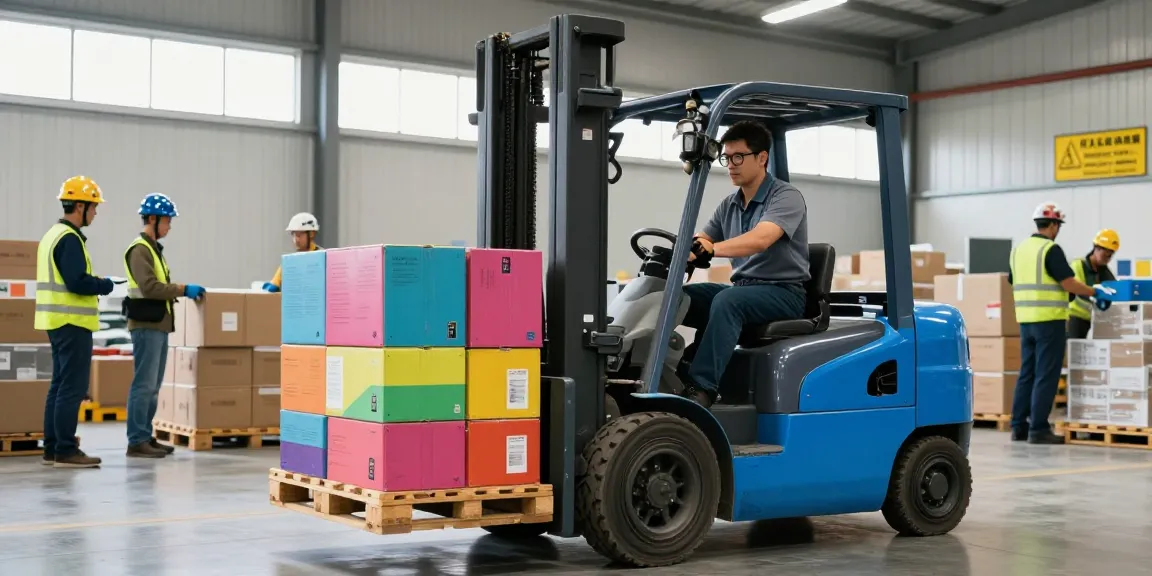
Understanding Electric Stackers: The Basics
Electric stackers have become essential tools in modern warehouses and industrial settings. These versatile machines, designed to lift and move pallets and other materials with ease, offer significant advantages over traditional manual options. The growing demand for efficient material handling solutions has propelled the adoption of electric stackers, particularly in environments where productivity and safety are paramount. This article will delve into the features and benefits of electric stackers, helping you understand why investing in a stacker low price is a smart financial decision for your business.
What is an Electric Stacker?
An electric stacker is a powered lifting device used to stack, move, and retrieve heavy materials in warehouses and other settings. Unlike traditional forklifts, electric stackers operate on battery power, which provides a cleaner, quieter, and more efficient means of moving goods. They come equipped with a range of features that enhance their usability and effectiveness, making them ideal for businesses seeking to optimize their material handling processes.
Key Features and Benefits of Electric Stackers
- Cost Efficiency: Since electric stackers use battery power, they tend to have lower operational costs compared to fuel-powered alternatives. Reduced fuel needs and less maintenance mean saving money in the long run.
- Zero Emissions: Electric stackers produce no harmful emissions, making them an environmentally friendly choice, particularly in enclosed spaces.
- Easy Operation: User-friendly controls allow operators to navigate through tight spaces and perform stacking operations efficiently, which enhances overall productivity.
- Safety Features: Many electric stackers are equipped with advanced safety features, such as automatic braking and stability sensors, reducing the risk of accidents and injuries in the workplace.
Choosing Between Different Types of Stackers
When exploring electric stackers, it’s essential to understand the different types available. Options include walkie stackers, rider stackers, and straddle stackers, each designed for specific operations and environments. Assess your warehouse layout, the weight of the materials being handled, and the height requirements for stacking before making a decision.
Benefits of Using Electric Stackers in Warehousing
Electric stackers are not just tools; they represent a significant advancement in warehousing technology. By improving efficiency and safety, they contribute to a more productive work environment. Understanding the advantages they bring can help businesses make informed purchasing decisions.
Cost Efficiency and Energy Savings
Using electric stackers can lead to substantial savings on energy costs. Their electric power source requires less maintenance compared to combustion engines, translating to lower overall operational costs. Additionally, electric stackers are often more efficient in their use of energy, allowing businesses to maximize productivity without incurring excessive energy expenses.
Enhancing Workplace Safety and Ergonomics
Safety is a critical concern in any warehouse environment. Electric stackers are designed with ergonomics in mind, helping to minimize operator strain and reduce the risk of injuries. The ability to control lifting and stacking operations from a safe distance enhances the safety of the workforce, ensuring that employees can operate machinery without exposing themselves to risk.
Increasing Productivity Through Technology
Typically equipped with advanced technologies, electric stackers enable features such as real-time diagnostics, automatic load sensing, and integrated warehouse management systems. These innovations lead to streamlined operations and enhanced inventory management, ultimately driving productivity levels higher than ever before.
Identifying Stacker Low Price Opportunities
Identifying the best deals on electric stackers requires a strategic approach. With numerous suppliers and models available, potential buyers should be diligent in their search for the most competitive pricing while ensuring quality.
Where to Find Competitive Pricing for Electric Stackers
Start by researching online marketplaces, checking local dealers, and considering bulk purchase discounts. Visiting trade shows or industry exhibitions can also provide insights into the latest models and pricing trends.
Assessing Quality vs. Price: What to Consider
While it may be tempting to choose the cheapest option, it’s crucial to assess the quality of the stacker. A lower price point may indicate compromised features or durability, which can lead to higher maintenance costs down the line. Evaluating customer reviews and product specifications can help ensure a balance between cost and quality.
Negotiating Best Deals with Suppliers
Don’t hesitate to negotiate with suppliers. Many are willing to offer discounts for bulk orders or extended warranties. Having a clear understanding of the market price will empower you to negotiate from a position of knowledge, ensuring you secure the best possible deal for your electric stacker.
Top Electric Stackers for Your Budget in 2026
With the rising demand for electric stackers, several models stand out in terms of affordability and performance. This section reviews some of the best options available, ensuring you can find a stacker that fits your budget without sacrificing quality.
Review of Affordable Electric Stackers
Among the top contenders in 2026 are the full electric walkie stackers that combine accessibility with robust performance. Models with capacities such as 3300 lbs and lift heights reaching up to 12ft cater to various warehouse environments. These stackers are designed for efficiency, making them ideal for both small businesses and larger operations alike.
Comparing Performance and Value
When selecting an electric stacker, consider performance metrics such as lift speed, battery longevity, and operator comfort. Comparing these aspects with the price can help identify the best value for your investment, ensuring you’re not just choosing based on the lowest cost.
Customer Feedback and Case Studies
Incorporating case studies and customer feedback into your decision-making process can provide invaluable insights. Positive testimonials from other users about specific models can guide your choice, ensuring you select an electric stacker that meets your operational needs.
Maintaining Your Electric Stacker for Longevity
Once you have invested in an electric stacker, proper maintenance is essential to ensure its longevity and operational efficiency. Keeping your equipment in top shape not only maximizes its lifespan but also enhances safety in your warehouse.
Essential Maintenance Tips for Electric Stackers
- Regularly check and maintain the battery, including proper charging practices and cleaning terminals.
- Conduct routine inspections of moving parts and electrical components to identify any signs of wear or damage early.
- Keep your stacker clean and free of debris to enhance performance and extend its lifespan.
Signs Your Stacker Needs Repairs
Be vigilant for indicators that your stacker may require professional servicing. Signs such as unusual noises, reduced lift capacity, or malfunctioning controls suggest that immediate attention is necessary to prevent further damage.
Best Practices for Battery Management and Care
Batteries are a critical component of any electric stacker. Always follow manufacturer guidelines for charging and maintenance, and consider investing in a smart battery management system to ensure optimal performance and longevity.
What is the average cost of an electric stacker?
The cost of electric stackers can vary widely based on features, brand, and capacity, typically ranging from $3,000 to $10,000. However, considering long-term savings and productivity gains, this investment can yield significant returns.
How can I know if I’m getting a good deal on a stacker?
Researching market prices and comparing similar models across different suppliers is essential to ensure you’re getting a fair value for your investment. Additionally, consider the stacker’s features, warranty, and customer support when evaluating the overall deal.
What are the safety standards for electric stacker operation?
Electric stackers must adhere to industry safety standards, including ANSI/ITSDF B56.1-2020, ensuring operator safety through design, operation guidelines, and maintenance requirements. Compliance with these standards is vital for safe equipment use.
How often should I maintain my electric stacker?
Regular maintenance should be scheduled every 250 hours of use, or at least once per year, depending on how often your stacker is utilized. This includes inspections, cleaning, and battery checks.
Can electric stackers be used outdoors?
Some electric stackers are designed for outdoor use, featuring rugged construction and weatherproof components. However, it’s essential to check the manufacturer’s specifications to ensure suitability for outdoor applications.