Understanding the Role of a Hinge Supplier
What is a Hinge Supplier?
A hinge supplier is a pivotal entity within the manufacturing and construction sectors, providing various types of hinges essential for the functionality and aesthetics of doors, cabinets, machinery, and other applications. These suppliers cater to diverse industries, including residential, commercial, and industrial sectors, offering products that vary in design, material, and specifications. The relationship with a reliable Hinge Supplier can significantly impact the quality, integrity, and performance of the finished product.
Key Products Offered by Hinge Suppliers
Hinge suppliers offer a wide array of products, typically categorized into several types:
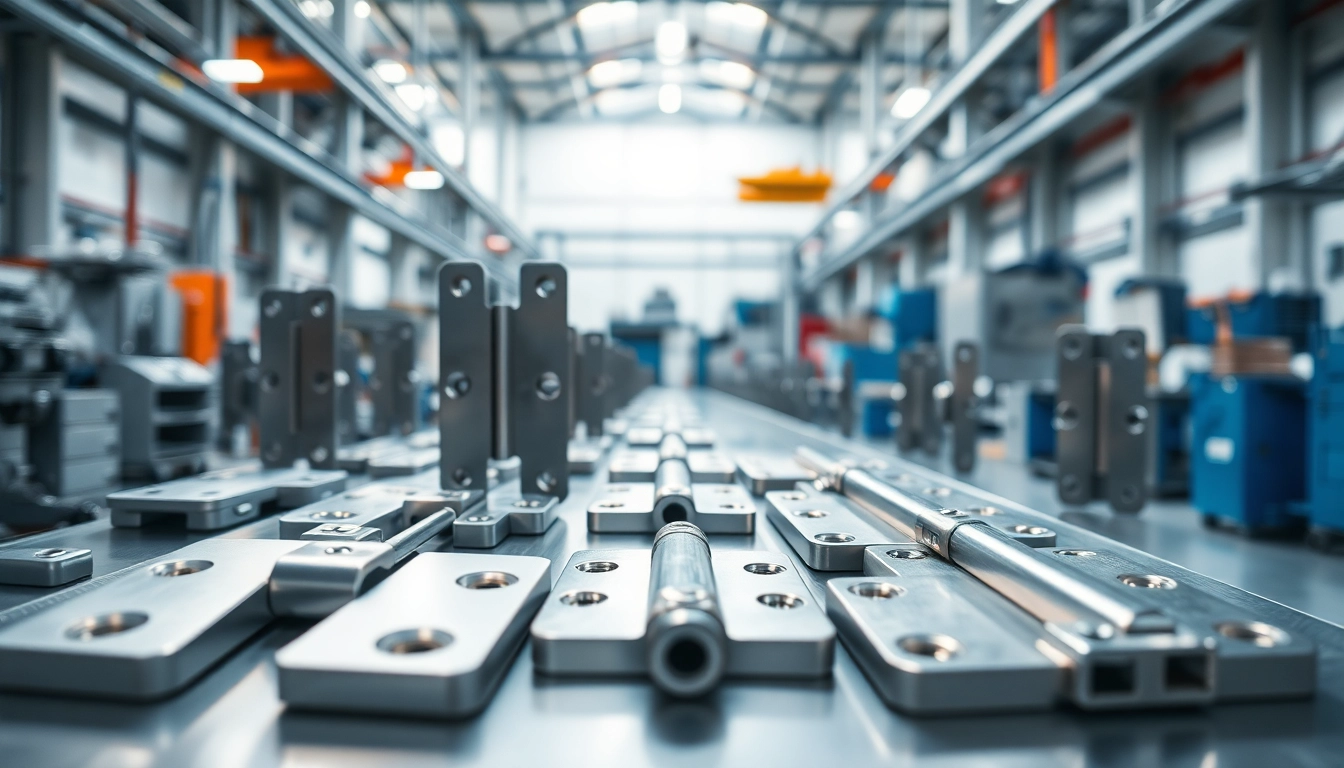
- Butt Hinges: Commonly found in doors, these hinges feature two plates (leaves) and are available in various sizes and finishes.
- Continuous Hinges: Also known as piano hinges, these run the entire length of the door or panel, offering superior support and durability.
- Cabinet Hinges: Designed specifically for cabinet doors, these come in various styles, including concealed, mounting, and bi-fold options.
- Specialty Hinges: These include hinges designed for unique applications, such as spring hinges, pivot hinges, and removable pin hinges.
Each of these hinge types is crafted to meet specific performance requirements, ensuring proper function, security, and design compatibility.
The Importance of Quality in Hinge Supply
Quality is a fundamental attribute when selecting a hinge supplier. High-quality hinges not only enhance the aesthetic appeal of doors and furniture but also ensure safety and longevity. Inferior-quality hinges can result in sagging doors, misalignment, and early wear, leading to costly repairs or replacements. Therefore, it is essential for companies to assess suppliers based on their manufacturing processes, materials used, and adherence to industry standards.
How to Choose a Hinge Supplier
Evaluating Supplier Credentials and Experience
When searching for a hinge supplier, it is critical to evaluate their credentials and experience. A well-established supplier with a proven track record is more likely to provide reliable products and services. Companies should consider how long the supplier has been in business, their manufacturing capabilities, and whether they possess certifications from recognized industry bodies.
Assessing Product Range and Customization Options
A diverse product range is vital for meeting various project requirements. Potential clients should explore whether the supplier offers customization options, allowing flexibility in design and functionality. Engaging with suppliers who can adapt products based on specific needs can enhance project outcomes significantly.
Understanding Pricing Models and Payment Terms
Understanding pricing models is crucial when selecting a hinge supplier. Companies should inquire about bulk pricing, discounts for long-term contracts, and payment terms that accommodate their budget cycles. Transparent pricing structures will facilitate better financial planning and help in optimizing overall project costs.
Best Practices for Working with a Hinge Supplier
Establishing Clear Communication Channels
Effective communication is key to successful interactions with a hinge supplier. Establishing clear lines of communication ensures that all parties are aligned regarding expectations, timelines, and specifications. Regular updates and feedback loops can help mitigate misunderstandings and errors.
Setting Delivery and Performance Expectations
Setting realistic delivery and performance expectations is essential to build a strong partnership with suppliers. Clients should communicate their schedules and deadlines and confirm the supplier’s capacity to meet them. This proactive approach can prevent delays and enhance satisfaction with the end product.
Maintaining Quality Control Throughout the Process
Quality control should be a continuous process during any project involving hinges. Clients are encouraged to implement quality checks at different phases, from initial samples to final deliveries. Engaging in regular assessments with the supplier can ensure that the products meet the required standards and specifications.
Common Challenges in Sourcing Hinges
Dealing with Supply Chain Interruptions
Supply chain interruptions are increasingly common in today’s global marketplace. Factors such as geopolitical tensions, natural disasters, and pandemics can impact hinge availability. It is recommended to establish relationships with multiple suppliers to mitigate risks and ensure a steady flow of hinges
.
Navigating Compliance and Industry Standards
Compliance with industry standards is essential in hinge supply, affecting not only the quality of the hinges but also their acceptance in the marketplace. Buyers must ensure their suppliers adhere to relevant regulatory requirements, including safety and environmental standards, to avoid legal pitfalls and ensure user safety.
Finding Solutions for Custom Requests
Custom requests can present a significant challenge, as not all suppliers may have the capacity or expertise to accommodate unique specifications. Open discussions with suppliers about potential solutions and willingness to provide design insights can facilitate the creation of custom hinges that meet specific needs.
Future Trends in Hinge Supply Industry
Sustainability Practices Among Hinge Suppliers
The push for sustainable manufacturing practices is reshaping the hinge supply industry. Suppliers are adopting eco-friendly materials and processes, such as recycled steel and finish treatments that are less harmful to the environment. By choosing sustainable suppliers, businesses can not only meet regulatory requirements but also appeal to environmentally conscious consumers.
Technological Innovations Impacting Design
The continual evolution of technology is leading to innovative hinge designs that enhance function and aesthetic appeal. Suppliers are leveraging advanced materials and engineering techniques to create hinges that offer improved durability, ease of installation, and aesthetic versatility. These innovations can provide significant competitive advantages in the market.
The Rise of Automated Manufacturing Techniques
Automation in manufacturing is increasingly prevalent, as suppliers adopt smart technologies aimed at optimizing production efficiency and reducing costs. Automated processes can result in higher precision and consistency in hinge production, benefiting both the supplier and the customer through improved product quality.
Frequently Asked Questions
What types of hinges are most common in residential construction?
Common types of hinges in residential construction include butt hinges, concealed hinges, and cabinet hinges, each serving specific functions and aesthetics.
How can I ensure the quality of hinges before purchase?
Request samples from suppliers, review customer testimonials, and check certifications to verify the quality of hinges before making a purchase.
What factors influence hinge pricing?
Factors influencing hinge pricing include the material, complexity of design, quantity purchased, and customization options requested.
Are custom hinges significantly more expensive?
Custom hinges may have higher initial costs due to design and manufacturing considerations, but they can lead to long-term savings through improved functionality and durability.
What are the benefits of working with a local hinge supplier?
Working with a local hinge supplier often provides faster delivery, better communication, personalized services, and support for local economies.