Understanding Pre-Engineered Buildings
Pre-engineered buildings (PEBs) are revolutionizing the construction industry by offering superior efficiency and adaptability. These structures are designed and fabricated in a factory setting before being transported and assembled on-site, resulting in significant time and cost savings. As a leader in this space, dpconsteel.in showcases the potential of PEBs to meet diverse building needs across various sectors.
What Are Pre-Engineered Buildings?
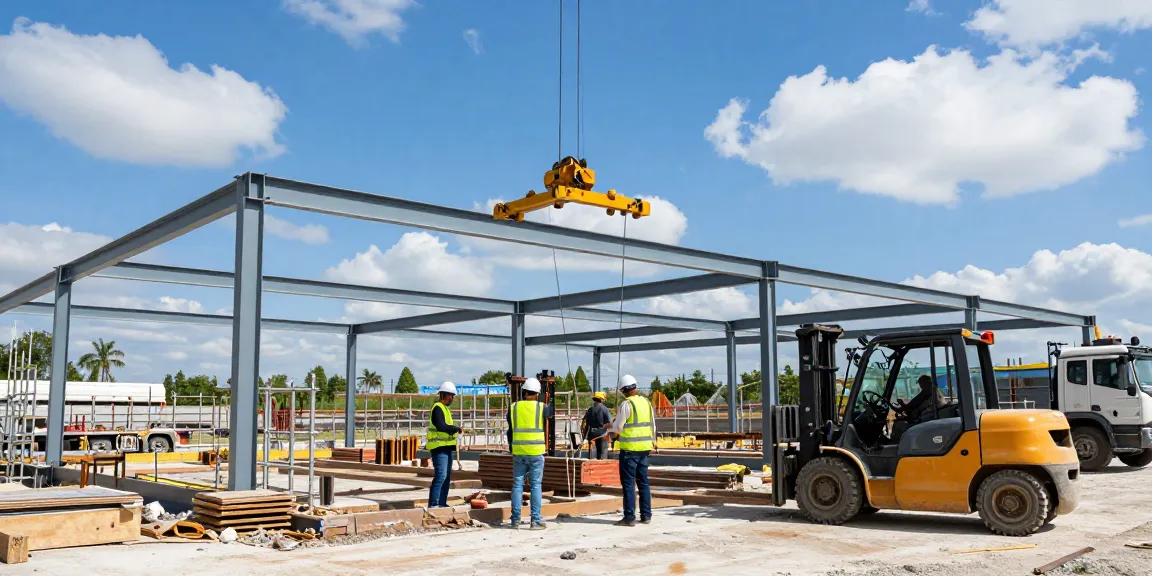
Pre-engineered buildings are steel structures that are fabricated off-site and assembled with minimal onsite construction. They consist of primary and secondary structural components, including columns, beams, and roof trusses, specifically designed to suit the project’s requirements. The flexibility in design allows for various applications ranging from warehouses and factories to sports complexes and institutional buildings.
Benefits of Pre-Engineered Solutions
- Cost-Effectiveness: With reduced labor costs and quicker construction time, PEBs are often more affordable than traditional building methods.
- Customization: PEBs can be tailored to meet specific needs, ensuring that clients receive a solution that fits their exact requirements.
- Durability: Constructed from high-quality materials, PEBs are designed to withstand harsh environmental conditions, providing long-lasting performance.
- Energy Efficiency: Many PEB designs incorporate sustainable practices, enhancing energy efficiency and reducing overall operational costs.
How Pre-Engineered Buildings Are Constructed
The construction process of pre-engineered buildings begins with detailed design and engineering, utilizing advanced software to ensure precision. Components are then fabricated in a controlled factory environment, where quality control measures are rigorously applied. Once completed, these components are transported to the construction site, where they are quickly assembled, reducing the overall project timeline significantly.
Industries Benefiting from Pre-Engineered Buildings
Pre-engineered buildings are not limited to any one sector; they serve a multitude of industries by providing tailored architectural solutions. Industries that benefit significantly from these innovative designs include manufacturing, agriculture, and recreational facilities.
Industrial Sector Applications
The industrial sector is one of the largest beneficiaries of pre-engineered buildings. PEBs provide efficient and scalable solutions for manufacturing plants, warehouses, and distribution centers. Their design flexibility accommodates machinery layouts, storage needs, and future expansion plans, making them an ideal choice for growing businesses.
Sports and Leisure Facilities
Sports facilities, such as gymnasiums, indoor arenas, and recreational centers, often require unique designs that cater to various activities. Pre-engineered buildings offer expansive, column-free spaces that enhance spectator experiences and facilitate diverse uses. Their quick construction timelines also mean facilities can be completed and operational faster, catering to community needs.
Institutional and Infrastructure Projects
Schools, hospitals, and civic buildings represent another critical application of pre-engineered buildings. Institutions can benefit from the reduced construction timelines and lower costs while ensuring that the buildings meet safety and regulatory standards. Furthermore, PEBs can be designed with sustainable materials and energy-efficient systems, aligning with modern environmental standards.
Evaluating DP Consteel’s Expertise
As a leader in the pre-engineered building market, DP Consteel leverages technology and expertise to deliver outstanding results. Their focus on customer satisfaction and innovative solutions makes them a preferred provider in the industry.
Technological Innovations in Building Design
DP Consteel employs cutting-edge technology in its PEB solutions, including advanced modeling software that facilitates precise design and engineering. This technology ensures that every building is tailored to the client’s specifications, allowing for complex designs that traditional construction methods struggle to achieve.
Quality Assurance and Manufacturing Standards
Quality is paramount in the construction industry. DP Consteel adheres to stringent manufacturing standards, ensuring that every component of their pre-engineered buildings meets high-quality benchmarks. This commitment to quality not only guarantees the structural integrity of buildings but also enhances their longevity and performance.
Case Studies and Success Stories
DP Consteel has a proven track record of successful projects across various sectors. Their collaborations with clients such as Eco Green Foil Pvt. Ltd. and Santoktara Jain Charitable Trust illustrate their ability to deliver customized solutions that meet diverse operational needs while remaining within budget and on schedule.
Challenges in Pre-Engineered Building Projects
While pre-engineered buildings offer numerous advantages, challenges can arise during the design and construction phases. Understanding these challenges is essential for successful project execution.
Common Misconceptions About PEB
One misconception about PEBs is that they lack aesthetic appeal. However, modern pre-engineered buildings can be designed with a variety of finishes, colors, and architectural features that allow for impressive and customized appearances that meet both functional and aesthetic requirements.
Overcoming Design and Engineering Obstacles
Design challenges can arise due to unique site conditions, client specifications, or regulatory requirements. DP Consteel’s engineering team is trained to adapt designs and provide innovative solutions that overcome these obstacles, ensuring a smooth construction process.
Regulatory Compliance and Safety Issues
Compliance with local building codes and safety regulations is crucial in construction. DP Consteel’s expertise ensures that all projects meet or exceed these standards, minimizing risks and ensuring safety throughout the building’s lifecycle.
Future Trends in Pre-Engineered Buildings
The pre-engineered building industry is evolving, influenced by advancements in technology, sustainability initiatives, and changing market needs. Staying abreast of these trends will be critical for businesses looking to thrive in the coming years.
Emerging Technologies in Construction
Technological advancements such as 3D printing, artificial intelligence, and modular construction are set to transform the PEB landscape. These innovations promise to increase efficiency, reduce waste, and improve the quality of buildings.
Sustainable Building Practices for 2026
Sustainability will continue to be a significant focus in construction. The adoption of green building materials, energy-efficient systems, and sustainable design practices will shape future pre-engineered building projects, appealing to environmentally conscious clients.
Market Predictions and Growth Opportunities
According to market analysts, the demand for pre-engineered buildings is expected to grow significantly by 2026. Factors driving this growth include the need for quick construction solutions and the rising popularity of customizable design options across various sectors.
What Is the Cost of Pre-Engineered Solutions?
The cost of pre-engineered buildings can vary widely based on factors such as size, design complexity, site conditions, and local market trends. However, they often offer a more cost-effective option compared to traditional construction methods, making them an attractive choice for many businesses.
How to Choose the Right PEB Provider?
When selecting a provider for pre-engineered buildings, it is essential to consider factors such as experience, product offerings, client testimonials, and technological capabilities. Choosing a reputable company like DP Consteel ensures that clients receive a high-quality product tailored to their specific needs.
Are Pre-Engineered Buildings Customizable?
Yes, pre-engineered buildings are highly customizable. Clients can select design elements, materials, and features that suit their operational needs, ensuring that the final product aligns closely with their vision.
What Maintenance Is Required for Steel Structures?
Maintenance for pre-engineered steel structures is relatively minimal. Regular inspections, cleaning, and protective coatings to prevent rust are commonly recommended to ensure longevity and performance.
How Do Pre-Engineered Buildings Compare to Traditional Construction?
Pre-engineered buildings offer distinct advantages over traditional construction, including faster build times, lower costs, and design flexibility. While traditional methods may be suitable for certain projects, PEBs provide a compelling alternative for many sectors.