Understanding Polymer Expandable Microspheres
Polymer expandable microspheres are significant innovations in material science, widely utilized in various industrial applications due to their unique physical properties and versatility. These microspheres are defined as tiny spheres composed of a thermoplastic shell that encapsulates a gas or liquid. When subjected to heat, the microspheres expand dramatically, resulting in lightweight materials that retain strength and durability. In today’s competitive marketplace, understanding the characteristics and applications of polymer expandable microspheres is crucial for manufacturers aiming to enhance product performance and reduce costs. The innovative solutions offered by platforms like polymer expandable microspheres are instrumental in streamlining sourcing processes and ensuring high quality.
What Are Polymer Expandable Microspheres?
Polymer expandable microspheres are typically spherical particles composed of a polymer shell filled with a gas or volatile liquid. Upon heating, the internal gas expands, causing the microsphere to increase in volume significantly. This phenomenon allows for the manufacturing of lightweight materials that can be used as fillers, reduce the density of products, and enhance their insulation properties. The production involves controlled processes to ensure the microspheres maintain their structural integrity during expansion, making them suitable for various applications, ranging from automotive components to packaging materials.
Key Properties and Characteristics
- Lightweight: Due to their unique structure, these microspheres significantly reduce the weight of end products.
- Thermal Insulation: When expanded, they provide excellent thermal insulation properties, making them ideal for use in insulation materials.
- Cost-Efficiency: Their use can lead to a reduction in material costs, as less raw material is needed to achieve the desired product properties.
- Versatility: These microspheres can be tailored for specific applications by modifying their chemical composition and structure.
- Improved Performance: The incorporation of expandable microspheres can enhance the performance of various products, particularly in terms of durability and strength.
Applications Across Industries
The versatility of polymer expandable microspheres allows them to be utilized across multiple industries:
- Automotive: Used in lightweight automotive components to reduce vehicle weight and enhance fuel efficiency.
- Construction: Employed in insulation materials to improve thermal properties and energy efficiency in buildings.
- Toys: Critical in the production of lightweight, safe, and durable toys, ensuring compliance with safety regulations.
- Packaging: Utilized in packaging materials for protective and insulation functions.
- Consumer Goods: Incorporated into various consumer products to enhance performance and reduce production costs.
The Manufacturing Process of Expandable Microspheres
Raw Materials Required
The manufacturing of polymer expandable microspheres begins with selecting high-quality raw materials, including thermoplastics and propellant gases. The choice of materials is critical in determining the final properties of the microspheres. Typical raw materials may include polystyrene, polyvinyl chloride (PVC), and thermoplastic elastomers, each providing distinct characteristics suited for specific applications.
Production Techniques and Innovations
There are several production techniques employed in creating polymer expandable microspheres, including suspension polymerization, emulsion polymerization, and interfacial polymerization. Among these, suspension polymerization is one of the most common methods as it allows for controlled particle size and uniform distribution of gas within the polymer matrix. Innovations in processing have also introduced ways to improve the efficiency of expansion and reduce production costs.
Quality Control Measures
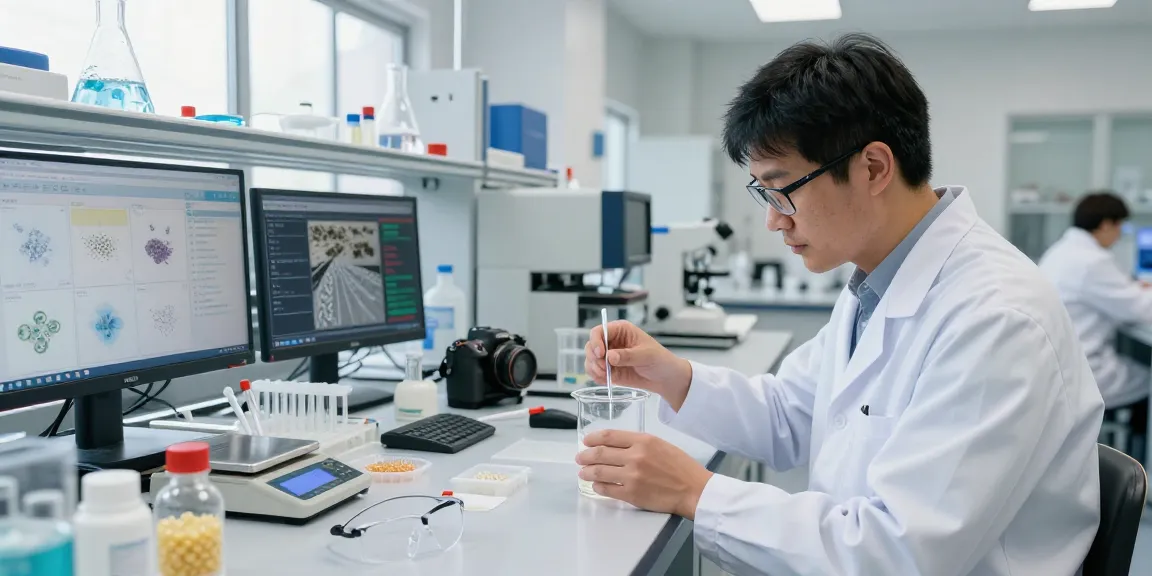
Ensuring high-quality production of polymer expandable microspheres involves stringent quality control measures, from raw material selection to final testing. Each batch undergoes rigorous testing to meet specified parameters such as expansion ratio, density, and mechanical strength, ensuring consistency and reliability in performance across various applications.
Benefits of Using Polymer Expandable Microspheres
Cost-Effectiveness in Manufacturing
One of the key advantages of using polymer expandable microspheres is their cost-effectiveness in manufacturing processes. By reducing the overall weight of products, manufacturers can lower shipping and handling costs and enhance material efficiency. This not only results in direct cost savings but also contributes to a greener supply chain by minimizing resource use.
Enhancing Product Performance
Polymer expandable microspheres significantly enhance product performance by improving strength without increasing weight. This is particularly valuable in sectors such as the automotive and aerospace industries, where reducing weight while maintaining structural integrity is crucial for efficiency and safety.
Environmental Impact and Sustainability
As industries become increasingly aware of their environmental impact, polymer expandable microspheres offer a more sustainable solution. Their lightweight nature leads to reduced energy consumption during transportation and use. Additionally, using less material without compromising product quality aligns with sustainable manufacturing practices and helps companies meet regulatory compliance related to environmental concerns.
Common Challenges in Sourcing Polymer Expandable Microspheres
Identifying Reliable Suppliers
Sourcing high-quality polymer expandable microspheres can be challenging due to the presence of various suppliers in the market. Manufacturers must conduct thorough due diligence to identify reputable suppliers that adhere to stringent quality standards and provide reliable materials.
Navigating Compliance and Regulations
With the growing emphasis on safety and environmental regulations, navigating compliance can be complex. Manufacturers must stay updated on relevant regulations regarding materials used in their products, particularly in sensitive markets such as toys and food packaging. Ensuring that sourced microspheres meet these stringent requirements is vital to avoid legal issues and protect brand reputation.
Mitigating Quality Assurance Issues
Quality assurance remains a significant concern when sourcing polymer expandable microspheres. Manufacturers should implement rigorous quality assurance protocols to verify the integrity and performance of their materials. This may involve regular audits of suppliers and comprehensive testing of raw materials before they are incorporated into production processes.
Future Trends and Developments in Polymer Expandable Microspheres
Emerging Technologies in Production
The future of polymer expandable microspheres is poised to be influenced by emerging technologies in production techniques. Advancements in nanotechnology and biopolymers are expected to enable the development of microspheres that are not only more efficient but also environmentally friendly. These innovations will likely lead to the production of “smart” microspheres capable of adapting to various environmental conditions.
Market Predictions for 2026 and Beyond
Market analysts predict that the demand for polymer expandable microspheres will continue to increase, with a projected compound annual growth rate (CAGR) of over 8% through 2026. This growth is attributed to the rising adoption of lightweight materials across different industries and the increasing focus on sustainability and environmental compliance.
How Innovations Will Shape the Industry
Innovations in the polymer expandable microsphere industry will significantly shape the market landscape. The integration of advanced manufacturing technologies, such as additive manufacturing and real-time monitoring systems, will enhance production efficiency and quality control. Furthermore, increasing collaboration between material scientists and manufacturers will foster the creation of more specialized microspheres tailored to meet specific industry needs.
What are polymer expandable microspheres used for?
Polymer expandable microspheres serve a multitude of applications across industries, including automotive lightweighting, insulation in construction, and enhanced performance in consumer products, particularly toys and packaging.
How do polymer expandable microspheres improve product performance?
These microspheres improve product performance by reducing weight while maintaining structural integrity, enhancing thermal insulation properties, and lowering material costs, thus contributing to more efficient manufacturing processes.
What are the challenges in sourcing quality expandable microspheres?
Challenges include identifying reliable suppliers, ensuring compliance with evolving regulations, and establishing rigorous quality assurance protocols to guarantee the performance and reliability of the materials.
What innovations are emerging in the microsphere industry?
Emerging innovations focus on advanced production technologies, including the development of biopolymer microspheres and integration with smart technologies for improved functionality and environmental responsiveness.
How do polymer expandable microspheres impact sustainability?
The lightweight and efficient nature of polymer expandable microspheres leads to reduced resource consumption and energy use, aligning with sustainable manufacturing practices and helping companies meet environmental goals.