
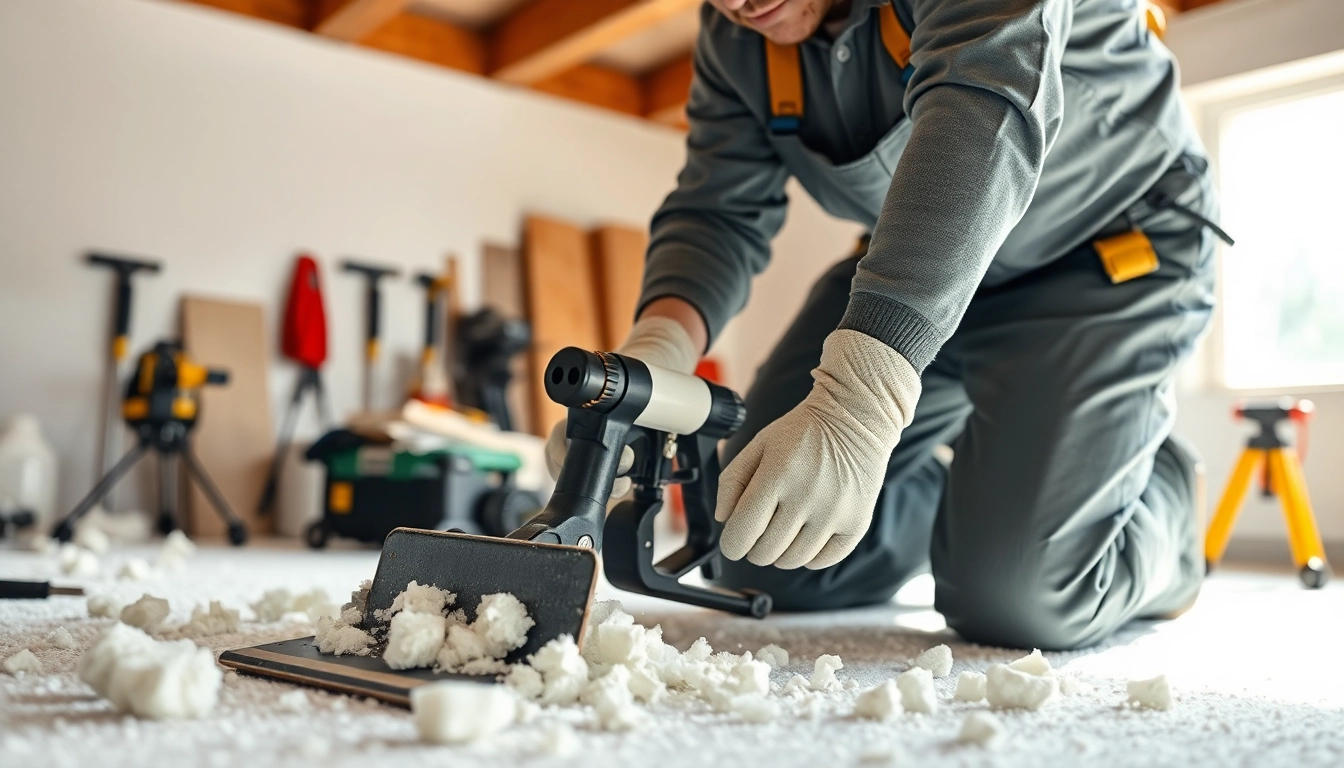
Understanding Spray Foam Removal Portsmouth
When considering insulation options, spray foam is often heralded for its energy efficiency and air sealing properties. However, as time passes and building needs evolve, the necessity for spray foam removal Portsmouth can arise. This process, while beneficial, requires a thorough understanding of both the material and the removal techniques to ensure safety and efficacy.
What is Spray Foam?
Spray foam insulation is a type of insulation material that expands when sprayed, filling gaps and creating an airtight seal. It consists of two components: isocyanate and polyol resin, which, when mixed, react and expand up to 30 times their original volume. This unique characteristic makes spray foam popular for insulating homes and commercial buildings. Its dense structure aids in reducing energy costs by minimizing air leakage, thereby improving overall energy efficiency.
Common Reasons for Removal
Despite its advantages, there are several reasons homeowners or building managers might consider removing spray foam insulation:
- Water Damage: Exposure to moisture can degrade spray foam and compromise its effectiveness.
- Allergies and Health Concerns: Some individuals may develop sensitivities to the chemicals in spray foam.
- Outdated Insulation Standards: Building codes evolve, and older insulation types may no longer meet current standards or energy efficiency goals.
- Renovations: Aesthetic changes or repairs may require removal of existing insulation.
- Improper Installation: If the foam was incorrectly applied, it may need to be removed to rectify the installation.
Signs You Need Removal
Identifying issues early on can save time and costs. Here are some signs that may indicate you need spray foam removal:
- Visible Damage: Cracks, peeling, or discoloration of the foam.
- Mold Growth: Presence of mold in areas where the foam is installed.
- Musty Odors: Unpleasant smells can indicate mold or decomposing material.
- Increased Energy Bills: A sudden spike in energy costs may signal insulation failure.
- Health Symptoms: Deteriorating air quality may lead to respiratory issues among occupants.
Technologies Used in Spray Foam Removal
Tools and Equipment
The removal of spray foam requires specific tools to ensure a safe and effective process. Key equipment includes:
- Heat Guns: Used to soften the foam for easier removal.
- Scrapers: Different types are essential for various surface textures.
- Shop Vacuums: To collect loose debris after.
- Respirators: Masking any chemical odors and minimizing inhalation risks during the removal.
- Protective Gear: Including gloves and coveralls to shield against chemical exposure.
Safety Measures to Consider
Safety is paramount when dealing with any hazardous materials. Follow these precautionary measures:
- Ventilation: Ensure adequate airflow in the work area to disperse any harmful fumes.
- Protective Equipment: Always wear appropriate gloves and masks to prevent skin and respiratory exposure.
- Electrical Safety: Disconnect electrical systems in the removal zone to prevent accidents.
- Emergency Protocols: Have a first-aid kit on hand and familiarize your team with emergency procedures.
Techniques for Effective Removal
To successfully remove spray foam without damaging underlying surfaces, employ these techniques:
- Heating the Foam: Softening the foam with enough heat can facilitate easier removal.
- Layered Scraping: Carefully scrape away the foam in layers to avoid damaging the substrate.
- Chemical Softeners: If appropriate, using foam solvents can aid in breaking down the foam structure.
- Utilizing Cutting Tools: Rounded saw blades can help cut through thicker foam sections easily.
DIY vs. Professional Spray Foam Removal Portsmouth
Pros and Cons of DIY
Many homeowners consider a DIY approach to spray foam removal, believing it will save them money. Here are the pros and cons:
- Pros:
- Cost-effective if you already own the tools.
- Control over the time and scheduling of the project.
- Learning experience that enhances home improvement skills.
- Cons:
- Risk of improper removal can lead to additional costs.
- Potential hazards due to chemical exposure.
- Time-consuming, especially for large areas.
When to Hire a Professional
While DIY removal is feasible, certain situations warrant hiring a professional team:
- Extensive Damage: When dealing with large-scale foam damage that requires specialized techniques.
- Health Issues: If occupants have allergies, professionals can mitigate risks better.
- Lack of Experience: If you’re unfamiliar with insulation removal.
- Time Constraints: For urgent projects, professionals can streamline the process safely and efficiently.
Cost Comparisons
Costs associated with spray foam removal can vary widely based on several factors, such as:
- Size of Area: Larger areas naturally cost more to remove.
- Extent of Damage: More damage requires additional time and resources.
- Location: Pricing can differ by region and accessibility of the work.
On average, professional removal ranges from £2 to £5 per square foot, while DIY might only involve tool costs if you already possess some of the necessary equipment.
Environmental Impact of Spray Foam Removal
Eco-Friendly Practices
Conscious disposal practices are crucial during spray foam removal. Eco-friendly methods can include:
- Recycling Materials: If the spray foam is in good condition, consider repurposing it for other projects.
- Utilizing Biodegradable Chemicals: For softening purposes, select environmentally friendly options.
Disposal Guidelines
Proper disposal of materials is essential in minimizing environmental impact. Guidelines include:
- Local Regulations: Always adhere to local waste management guidelines.
- Hazardous Waste Facilities: As spray foam is a hazardous material, special disposal sites may be required.
Regulatory Considerations
Be aware of local and national regulations regarding spray foam materials and their removal processes. Non-compliance can lead to fines and legal repercussions. Understanding these regulations also helps ensure you use safe and approved methods for disposal.
FAQs about Spray Foam Removal Portsmouth
What tools are needed for spray foam removal?
Essential tools include heat guns, scrapers, shop vacuums, and safety gear like respirators and gloves.
How long does the removal process take?
The process duration can vary greatly depending on the area size and method used, ranging from a few hours to multiple days.
Is spray foam removal safe?
Yes, but it requires following safety procedures and using proper protective equipment to minimize health risks.
Can I do it myself?
DIY is possible but only recommended if you’re experienced and prepared with proper tools and safety gear.
What are the costs associated with removal?
Costs can vary, averaging between £2 and £5 per square foot for professional services, while DIY costs depend on your tools.