1. The Functional Benefits of Mirror and LED Lights
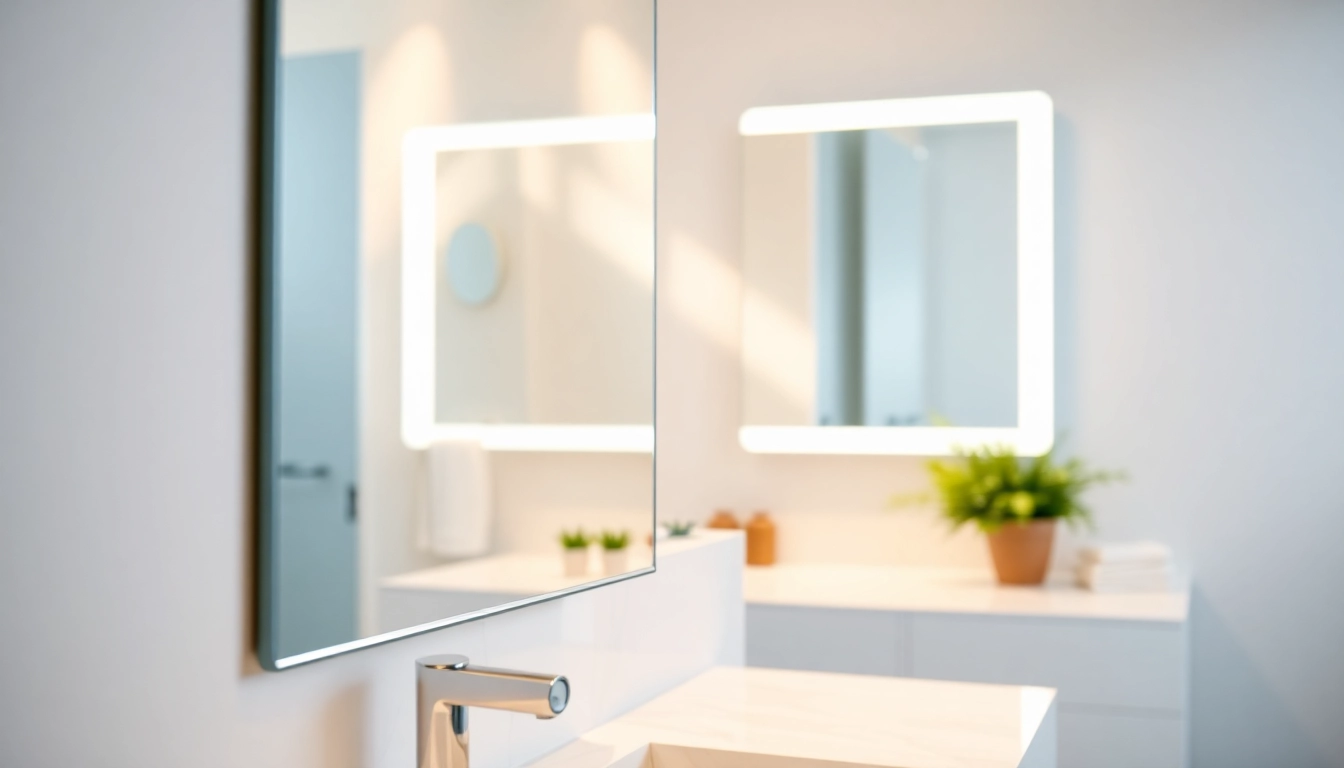
In recent years, the combination of mirror and led lights has transformed the interior design of bathrooms and other spaces. Their synergy not only enhances aesthetics but also offers practical functions that elevate everyday experiences.
1.1 Illuminating Your Space
Good lighting is essential in any room, particularly in spaces where tasks such as grooming and makeup application take place. Mirrors fitted with LED lights provide even illumination that reduces shadows and highlights features accurately. This type of lighting mimics natural light, giving you a true representation of how your appearance will look in daylight. Furthermore, LED lights are typically positioned strategically around the mirror, ensuring that every angle is well-lit and shadows are minimized.
1.2 Energy Efficiency of LED Lights
One of the most compelling advantages of LED lighting is its energy efficiency. Unlike traditional incandescent bulbs, LEDs consume significantly less electricity, translating to lower energy bills over time. They are designed to last longer, with a lifespan of up to 25,000 hours or more. This durability means fewer replacements and less waste, making LED lights an eco-friendly choice for your home.
1.3 Enhancing Visibility for Daily Tasks
For functions like shaving, applying makeup, or even skincare, visibility is crucial. LED lights effectively illuminate the face without the harshness often seen with fluorescent lighting. The brightness and clarity help prevent mishaps, allowing for a flawless grooming experience. Moreover, many LED mirrors come with adjustable brightness settings, giving users control over the level of illumination to suit their preferences and activities.
2. Choosing the Perfect Mirror and LED Lights
When selecting a mirror and LED lights, it’s vital to consider various factors that enhance both functionality and aesthetics. Not only should the products complement your style, but they should also cater to the demands of your space.
2.1 Size and Style Considerations
The size of the mirror is critical; it must be proportional to the wall space and other elements within your bathroom. A large, wall-mounted mirror can create the illusion of a bigger space, while smaller mirrors can be used in conjunction with other decor. Additionally, choose a style that resonates with your overall design theme. From sleek modern designs to vintage-inspired frames, the mirror should serve as a focal point without overwhelming the area.
2.2 Types of LED Light Fixtures
LED lighting comes in a variety of fixtures suited for mirrors. Common types include built-in LED frames, backlit mirrors, and wall-mounted mirrors with side lighting. Each option offers unique advantages; for example, backlit mirrors provide a soft glow that reduces glare, while side lights cast illumination directly onto the face. Assess your spatial needs and consider which fixture will provide the best lighting for your tasks.
2.3 Compatibility with Bathroom Aesthetics
Your choice of mirror and LED lights should harmonize with your bathroom’s aesthetics. For a modern look, sleek lines, and minimalistic frames work best. Conversely, classic designs with ornate detailing may be more suited for vintage or traditional environments. Consider the overall color scheme, finishing materials, and existing fixtures to ensure visual consistency throughout the space.
3. Installation Tips for Optimal Performance
Proper installation is essential to maximizing the performance and lifespan of your mirror and LED lights. Whether you choose to install them yourself or hire a professional, several factors should be considered.
3.1 DIY vs. Professional Installation
While some homeowners may choose to install their mirrors and lights, it’s crucial to evaluate your skill level. DIY installation can save money, but improper installation can lead to safety issues or damage. If you’re not confident in your abilities, opting for professional installation can ensure that the job is done correctly and minimize the risk of future problems.
3.2 Safety Precautions to Consider
Safety should always come first during installation. Make sure to turn off the electricity to the area where you are working if you are connecting LED lights to existing wiring. Use proper tools and follow the manufacturer’s instructions. Additionally, securing the mirror safely to the wall will prevent it from falling and causing injury.
3.3 Positioning for Maximum Light Distribution
The positioning of mirrors and their accompanying LED lights is crucial. Ideally, the mirror should be placed at eye level to ensure optimal visibility. For lighting, consider placing LED fixtures at a height that distributes light evenly without causing glare in the mirror. Experimenting with various placements can help determine the ideal positioning for your specific setup.
4. Maintaining Your Mirror and LED Lights
To ensure that your mirror and LED lights maintain their functionality and aesthetic appeal over time, regular maintenance is essential.
4.1 Cleaning Techniques for Longevity
Cleaning mirrors with LED lights requires special attention to avoid damage. Use a soft microfiber cloth and a gentle glass cleaner to wipe the mirror surface. Avoid abrasive materials as they can scratch the mirror. For the LED lights, ensure they are disconnected from power before cleaning to prevent electrical hazards. Wipe down the fixtures with a damp cloth to keep them dust-free and bright.
4.2 Troubleshooting Common Issues
Common problems with mirrors and LED lights can generally be solved with simple troubleshooting. If the lights flicker or do not turn on, check the connections to ensure they are secure. Replacing the LED driver or ballast may also be necessary. If the mirror is fogging up regularly, consider using an anti-fog spray or installing a defogging system designed for bathroom mirrors.
4.3 Upgrading Technology: When and Why
Technology evolves rapidly, and upgrading your mirror and LED lights can offer advancements in efficiency, functionality, and design. Consider upgrading if your current LED lights are dimming, or if you want features such as color temperature adjustments or smart controls. Not only can new technology enhance usability, but it can also significantly lower energy consumption.
5. Frequently Asked Questions About Mirror and LED Lights
5.1 How do LED lights compare to traditional bulbs?
LED lights are more energy-efficient, last longer, and produce less heat compared to traditional bulbs, making them a smarter choice for most applications.
5.2 What types of mirrors work best with LED lighting?
Mirrors with integrated LED lights or backlit mirrors provide optimal illumination. Ensure the mirror complements the bathroom’s overall design style.
5.3 Can I install LED lights behind the mirror?
Yes, installing LEDs behind mirrors can create a stunning backlit effect, enhancing both visibility and aesthetics without direct glare.
5.4 What is the average lifespan of LED lights?
LED lights typically last between 15,000 to 25,000 hours, depending on usage. This longevity makes them a cost-effective lighting solution.
5.5 Are mirrored surfaces difficult to maintain?
Mirrored surfaces require regular cleaning to maintain shine but are generally easy to care for using gentle glass cleaners and soft cloths.