
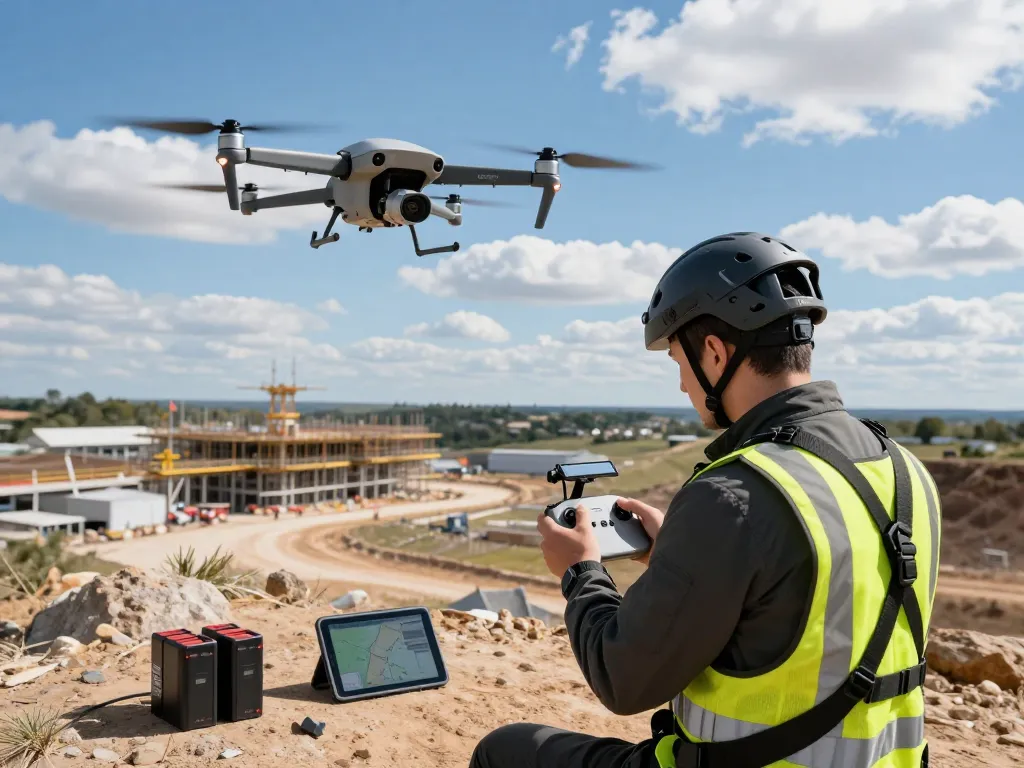
Understanding the Matrice 350
The Matrice 350 is a groundbreaking drone that represents the forefront of innovation in drone technology. With its advanced capabilities, this remarkable aircraft is designed to cater to a wide variety of commercial applications, including surveying, agriculture, and industrial inspections. As organizations increasingly recognize the potential of aerial data collection, the Matrice 350 emerges as both an essential tool and a game-changer in the industry.
When exploring options, matrice 350 offers comprehensive insights into its unparalleled performance and versatility, solidifying its position as a leading solution for professionals across sectors.
What Makes the Matrice 350 Unique?
One of the standout features of the Matrice 350 is its enhanced payload capacity, allowing for various configurations tailored to specific tasks. This adaptability makes it suitable for diverse missions, from high-resolution mapping to complex thermal imaging operations. Moreover, the drone is equipped with the latest advancements in video transmission, ensuring a reliable connection over extended ranges.
Unlike its predecessors, the Matrice 350 incorporates a robust dual battery system that significantly extends flight time, enabling up to 55 minutes of operation. This is complemented by an IP55 rating, providing dust and water resistance, which is essential for challenging operational environments. Such features set the Matrice 350 apart in a competitive market, making it a preferred choice amongst professionals.
Key Specifications and Features
- Flight Time: Up to 55 minutes
- Transmission Range: 20 km
- Payload Capacity: Up to 2.7 kg
- Camera Options: Supports multiple payload configurations, including RGB and thermal cameras
- Safety Features: 6-directional sensing and obstacle avoidance system
Comparing the Matrice 350 to Its Predecessors
In comparing the Matrice 350 to its predecessor, the Matrice 300 RTK, several enhancements are apparent. While both models deliver exceptional stability and image quality, the Matrice 350 introduces an upgraded flight control system and enhanced AI capabilities, which facilitate autonomous flight missions. This makes it particularly effective for surveying and mapping tasks where precision is paramount.
Furthermore, the Matrice 350 boasts improved battery efficiency and a more intuitive control interface. These advancements reduce the learning curve for new operators, making it accessible to a broader range of users.
Applications of the Matrice 350
The versatility of the Matrice 350 is evident in its diverse applications across multiple industries. As the demand for aerial data continues to grow, this drone has carved a niche in areas such as agriculture, construction, and emergency response, showcasing its adaptability and effectiveness.
Industries That Benefit from the Matrice 350
- Surveying and Mapping: High-resolution imagery and precise data collection for land surveys and topographic mapping.
- Agriculture: Crop monitoring and analysis, enabling farmers to make data-driven decisions.
- Construction: Site inspections and progress tracking, enhancing project efficiency.
- Emergency Services: Rapid assessment and monitoring during search and rescue operations.
- Environmental Monitoring: Data collection for climate and conservation research.
Case Studies: Successful Matrice 350 Deployments
Several organizations have successfully integrated the Matrice 350 into their operations, yielding impressive results. For instance, a major agricultural firm utilized the drone for crop health analysis, leading to a 20% increase in yield due to informed decision-making based on aerial insights. Similarly, a construction company used the Matrice 350 for regular site inspections, improving communication and coordination among teams.
Innovative Uses in Surveying and Mapping
The Matrice 350 has revolutionized surveying practices by providing real-time data collection capabilities. Surveyors appreciate the drone’s ability to create detailed 3D models and orthomosaics efficiently, significantly reducing time and labor costs. Its precise georeferencing capabilities also enhance the accuracy of measurements, providing critical insights for engineering and development projects.
Getting Started with the Matrice 350
For new users, the Matrice 350 may seem daunting, but understanding its setup and operation can streamline the learning process. DJI provides extensive resources and training materials to ensure pilots can operate the drone effectively and safely.
Initial Setup and Configuration
Setting up the Matrice 350 involves configuring the remote controller, charging the battery, and installing the desired payload. It’s crucial to follow the manufacturer’s guidelines for each step to ensure optimal performance. Once assembled, users can connect the drone to the DJI Pilot app for streamlined control and monitoring during flight.
Safety Protocols for First-Time Pilots
Safety should always be a priority when operating any unmanned aerial vehicle. New pilots should familiarize themselves with local regulations, maintain a safe distance from people and structures, and conduct pre-flight checks. DJI’s safety guidelines provide valuable information on how to operate the Matrice 350 responsibly.
Operating the Matrice 350: Tips for Beginners
Beginners should start with basic flight maneuvers to build their confidence. Practicing in open areas can help build experience before tackling complex missions. Utilizing the drone’s intelligent flight modes, such as Waypoint and Follow Me, can simplify operation and enhance user experience.
Advanced Techniques for Professionals
For experienced users, the Matrice 350 opens up a world of advanced aerial applications that can transform their operations dramatically. Leveraging its capabilities can lead to innovative solutions in various fields.
Enhancing Aerial Photography with the Matrice 350
Equipped with high-quality cameras and stabilization systems, the Matrice 350 excels in aerial photography. Users can experiment with different exposure settings and shooting angles to capture stunning images for marketing, real estate, or film production. Understanding the principles of composition and lighting can further enhance the visual impact of aerial photographs.
Integrating Additional Payloads for Specific Tasks
The ability to attach various payloads, including thermal cameras and multi-spectral sensors, enables the Matrice 350 to perform specialized tasks. Professionals in agriculture can utilize multi-spectral sensors for precision farming, while search and rescue teams can integrate thermal cameras to locate missing persons in challenging conditions.
Data Analysis and Processing from Aerial Imagery
Collecting aerial data is just the first step; analyzing this data is where real value is generated. Using software such as Pix4D or DroneDeploy can facilitate 3D modeling and terrain analysis, providing actionable insights for decision-making. Understanding data visualization techniques can help present findings clearly and effectively.
The Future of Drone Technology and the Matrice 350
As we look toward the future, the drone industry is poised for significant advancements. The Matrice 350 will likely evolve with new features and enhancements that will set it apart in an increasingly competitive market.
Upcoming Features and Innovations for 2026
Predictions for future developments include integration of AI and machine learning capabilities, enabling autonomous decision-making during flight. Enhanced battery technology may also emerge, allowing for even longer flight times and broader operational scopes.
Predictions for the Drone Market Landscape
As drone technology continues to advance, the market will likely see more specialized applications. Sectors such as logistics, infrastructure, and smart cities will increasingly adopt drones for efficient operations. This expansion will create new job opportunities and potential regulatory challenges as the industry matures.
Tips for Staying Ahead in Drone Operations
Staying informed about industry trends and technological advancements is critical for professionals operating in this space. Attending workshops, joining drone communities, and participating in training sessions can provide valuable knowledge and networking opportunities.
What are the top features of the Matrice 350?
The Matrice 350 is distinguished by its exceptional payload capacity, extended flight time, and advanced safety features, making it suitable for a wide range of applications.
How does the Matrice 350 compare to the Matrice 300?
While both models offer robust capabilities, the Matrice 350 boasts a more advanced control system and increased flight efficiency, enhancing its performance for professional users.
What industries are using the Matrice 350 effectively?
Key industries utilizing the Matrice 350 include agriculture, construction, surveying, and emergency response, where aerial data plays a crucial role in operational success.
How can I ensure safe operation of the Matrice 350?
Following safety protocols, understanding local regulations, and performing pre-flight checks are essential for safe operation of the Matrice 350.
What are the future trends for drone technology?
Future trends may include increased automation, AI integration, and expanded applications in various sectors, shaping the landscape of drone operations.