
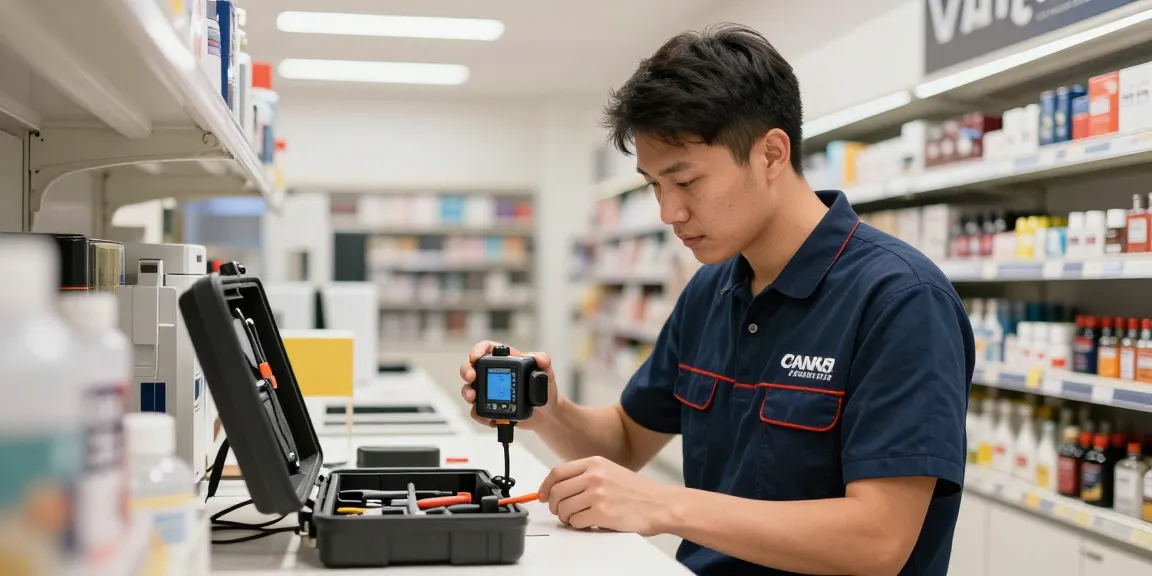
Understanding Retail Repairs: Essential Concepts
In the retail environment, maintaining the functionality and aesthetic appeal of the store is crucial for ensuring customer satisfaction and operational efficiency. Retail repairs encompass a range of services designed to address issues with fixtures, fittings, and equipment that may hinder the shopping experience. This article explores what retail repairs are, their significance, and the common types of repairs that retailers might encounter. When exploring options, Retail Repairs can enhance operational efficiency and customer experience.
What are Retail Repairs?
Retail repairs refer to the maintenance and restoration of physical components in retail spaces, including everything from broken display cases to malfunctioning cash registers. The goal is to ensure that all aspects of the retail environment are functional and appealing, contributing to an effective shopping experience. Retail repairs can be conducted by in-house maintenance teams or outsourced to specialized service providers.
The Importance of Timely Repairs in Retail
Timely repairs in retail settings are essential for minimizing disruptions in service and maintaining a positive brand image. A damaged display might not only affect sales but could also lead to safety hazards for both employees and customers. Regular maintenance and prompt repairs help in reinforcing the reliability of the retail operation.
Common Types of Retail Repairs
- Equipment Repairs: This includes fixing cash registers, POS systems, and other electronic equipment.
- Fixture and Fitting Repairs: Addressing issues such as broken shelves, display units, or signage.
- Cosmetic Repairs: Involves painting, flooring repair, and maintenance of restrooms and customer areas.
- HVAC Repairs: Ensuring that heating, ventilation, and air conditioning systems are functioning properly for customer comfort.
Identifying Repair Needs in Retail Environments
Recognizing repair needs in retail environments is crucial for maintaining smooth operations. Identifying issues early can prevent larger problems from emerging and ensure customer satisfaction. Here are some effective strategies to detect these needs.
How to Spot Common Retail Equipment Issues
Common issues with retail equipment can often be identified through regular inspections and monitoring. Look for signs such as unusual noises, frequent breakdowns, or decreased performance in equipment. Encouraging employees to report issues immediately can also facilitate quicker responses to repair needs.
Preventive Maintenance Techniques for Retail Repairs
Implementing a preventive maintenance schedule can significantly reduce the likelihood of unexpected equipment failures. Regular check-ups and servicing of key areas, including cooling systems, lighting, and point-of-sale equipment, can enhance longevity and performance.
Assessing the Impact of Repairs on Store Operations
When planning repairs, consider the potential disruption to store operations. Scheduling repairs during off-peak hours can minimize the impact on customer service and sales. Additionally, clear communication with staff about repair timelines can help in managing customer expectations during these periods.
Best Practices for Retail Repairs
Establishing best practices for retail repairs ensures that the process is efficient and effective. Implementing these strategies can help in achieving a high standard of maintenance across all retail operations.
Creating a Repair Schedule for Retail Equipment
A structured repair schedule should be based on the specific needs of the retail environment. This can involve regular assessments of equipment and a timeline for maintenance tasks to ensure everything remains in optimal condition.
Choosing the Right Technicians for Repairs
Selecting qualified technicians for repairs is critical. Look for professionals with experience in retail environments who understand the importance of minimizing downtime and maintaining customer service levels during repairs.
Utilizing Technology in the Repair Process
Incorporating technology can streamline the repair process. Many retail companies are turning to software solutions that allow for tracking and managing service requests, scheduling maintenance, and ensuring that all repairs are documented effectively.
Cost Management for Retail Repairs
Managing costs associated with retail repairs is vital for maintaining profitability. Understanding how to budget and evaluate repair options can significantly impact the financial health of the retail operation.
Budgeting for Retail Repair Expenses
Creating a dedicated budget for retail repairs involves accounting for regular maintenance, unexpected repairs, and replacement costs. Allocate a portion of the overall operational budget to repairs to ensure that funds are available when needed.
Evaluating Repair vs. Replace Decisions
Determining whether to repair or replace equipment can be challenging. Assess the age, condition, and cost of repairs versus the cost of new equipment to make informed decisions. If repairs exceed 50% of the replacement cost, it might be more economical to replace the item.
Maximizing ROI Through Effective Repairs
Effective repair strategies can lead to improved ROI. By ensuring that all operational equipment runs efficiently and effectively, retailers can enhance service delivery and, consequently, sales and customer satisfaction.
Future Trends in Retail Repairs: What to Watch in 2026
The retail landscape is continually evolving, and so are the methodologies for repairs and maintenance. Staying ahead of trends will ensure that retail operations remain competitive and efficient.
Sustainable Practices in Retail Repairs
As sustainability becomes a key focus for many retailers, incorporating eco-friendly practices in repairs is emerging as a significant trend. This can involve using sustainable materials for repairs or implementing recycling initiatives for old equipment.
The Role of Automation in Retail Maintenance
Automation is set to play a larger role in retail maintenance, with advancements in smart technology enabling remote monitoring of equipment. This allows for proactive maintenance and quicker responses to any operational issues that arise.
Adapting to Emerging Technologies in Retail Repairs
Emerging technologies will continue to shape the future of retail repairs. From Internet of Things (IoT) devices that can signal maintenance needs to virtual reality tools for technician training, adoption of these advancements will enhance repair processes.
What are the most common retail equipment repairs?
The most common retail equipment repairs include fixing register malfunctions, addressing lighting issues, and repairing HVAC systems. Regular checks can help in catching these issues early.
How can I minimize downtime during retail repairs?
Minimizing downtime can be achieved through strategic scheduling of repairs during off-peak hours and ensuring that technicians are well trained in rapid response solutions.
What is the average cost of retail repairs?
The average cost of retail repairs varies based on the type of equipment and extent of damage. Basic repairs can range from $100 to $500, while larger scale repairs may reach into the thousands.
How often should I schedule maintenance for my retail equipment?
Regular maintenance should be scheduled based on equipment usage and manufacturer recommendations, generally every 6 to 12 months, but high-use items may require more frequent checks.
What trends should I look out for in retail repairs in 2026?
In 2026, look out for trends such as increased sustainability initiatives, greater use of automation in maintenance tasks, and the adoption of advanced technologies for repair processes.